
Best Print on Demand Services in 2026: An Honest Comparison for Creators and Small Businesses
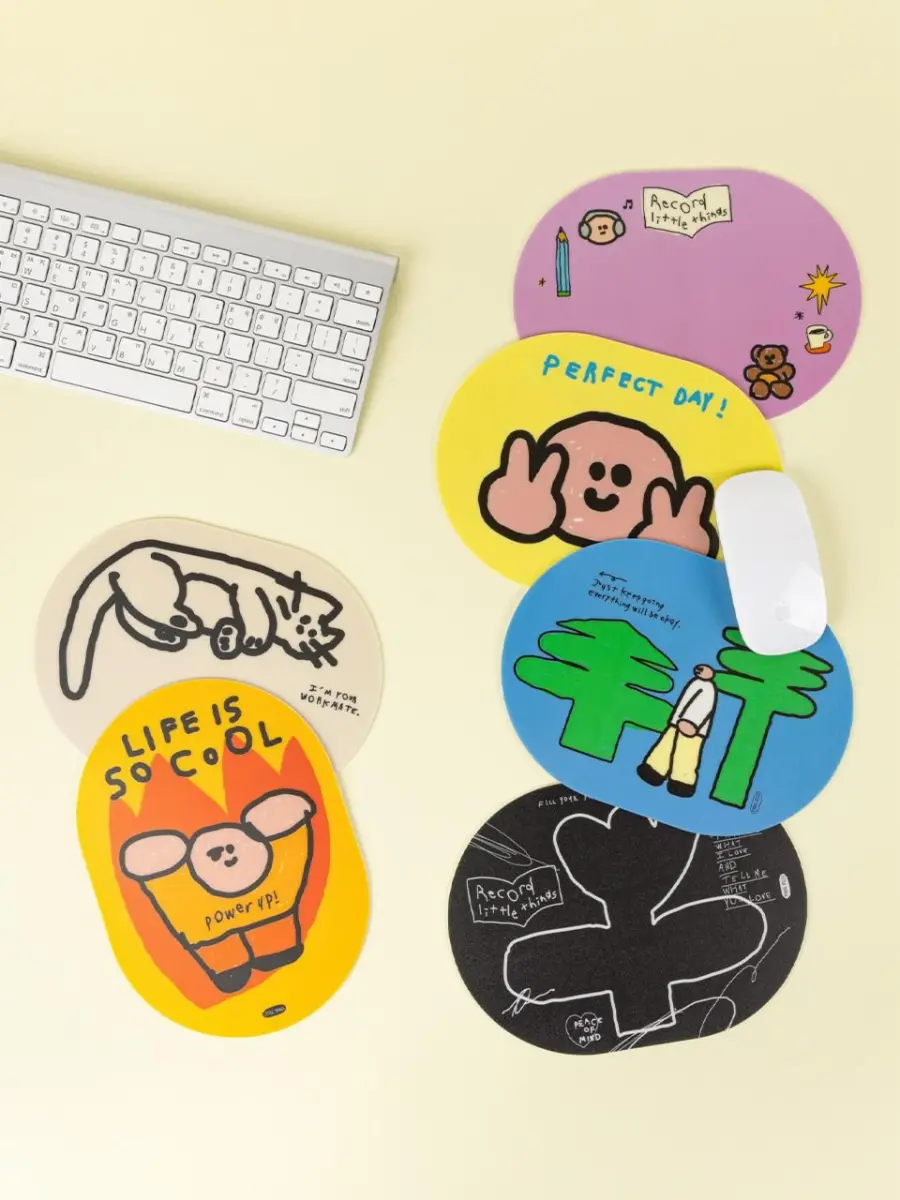
Choosing a print-on-demand platform is a matter of fit, not a single winner. A solo artist testing one acrylic standee has different needs than a small business ordering 500 branded stickers, so a ranked list only helps if it accounts for that. This guide compares eight of the most-used POD and custom merch platforms in 2026, covering product range, pricing, minimums, print quality, and who each one suits.
Table of Contents
- What to look for in a POD platform
- Side-by-side overview
- PopEcho
- Printful
- Vograce
- Sticker Mule
- Zap! Creatives
- StickerApp
- Prodigi
- MOO
- How to choose
- Why RGB support matters
- FAQs
What to look for in a POD platform {#what-to-look-for}
Before comparing, here is a framework for evaluating any POD service:
- Minimum order quantity. Can you order one, or are you forced to buy 50?
- Product catalog depth. Does it cover the product types you need?
- Print quality and file support. Does it support RGB files, and what is the real output quality?
- Pricing transparency. Are costs clear upfront, or do fees stack at checkout?
- Design tools. Can you build and preview on-platform, or do you need external software?
- Turnaround time. How long from order to delivery?
- Bulk pricing. If you scale, do the economics improve?
Side-by-side overview {#overview}
| Platform | MOQ | Product focus | RGB support | Bulk pricing | Best for |
|---|---|---|---|---|---|
| PopEcho | 1 | Broad (badges, standees, stickers, prints, keychains) | Yes | Yes | Creators, artists, fans, small businesses |
| Printful | 1 | Apparel-heavy | Yes | Limited | Dropshippers, apparel brands |
| Vograce | Varies by product | Anime/fan merch | Yes | Yes | Fan artists, convention vendors |
| Sticker Mule | 1 (some products) | Stickers, packaging | Yes | Yes | Sticker-focused brands |
| Zap! Creatives | 1 | Acrylic, stickers, keychains | Yes | Yes | Indie artists, small creators |
| StickerApp | 1 | Stickers | Yes | Yes | Sticker-first buyers |
| Prodigi | 1 | Fine art prints, photo products | Yes | Limited | Photographers, fine artists |
| MOO | Varies | Business cards, print collateral | Limited | Yes | Professionals, businesses |
PopEcho {#popecho}
Best for: creators and small businesses who want flexibility without minimums.
PopEcho is built around one idea: you should not have to order 50 units to find out if a design works. Starting from a single piece, you can order custom prints, acrylic badges, stickers, standees, keychains, and shikishi boards, with no minimum order.
PopEcho pairs no-minimum flexibility with professional print quality. The platform supports RGB print files, which matters because RGB is the native color space for digital design. Platforms that force a conversion to CMYK before upload can introduce color shifts that flatten vibrant artwork, so RGB support keeps the printed result closer to your screen. The on-platform design tool means you do not need Photoshop or Illustrator to start: build in the browser, generate free mockups to preview the product, then order. For creators who need to scale, bulk pricing improves the economics on larger runs.
Strengths: no minimum order on any product; RGB print file support; a wide catalog beyond stickers and apparel; free mockup generation; a built-in design tool; bulk pricing when you scale.
Limitations: a newer platform, so brand recognition is still growing; dropshipping and storefront integration is not the primary use case.
Who it suits: independent artists, fan merch creators, convention vendors, and small business owners who want quality custom merch without bulk minimums. Learn more at popecho.art.
Printful {#printful}
Best for: dropshippers and apparel-focused e-commerce brands.
Printful is one of the most established names in print on demand, with integrations for Shopify, Etsy, and WooCommerce. If you are building a dropshipping store around custom t-shirts, hoodies, or tote bags without holding inventory, it is a strong choice. The apparel catalog is deep, print quality is generally solid, and the global fulfillment network helps with shipping across markets.
Where Printful fits less well is outside apparel. Acrylic badges, standees, and specialty fan merch are not part of its catalog, and per-unit pricing runs on the higher end, which can squeeze margins for smaller sellers.
Strengths: strong e-commerce integrations; a deep apparel and soft-goods catalog; reliable global fulfillment; no MOQ.
Limitations: no standees, acrylic badges, or specialty hard merch; higher per-unit pricing; not built for fan or convention products.
Vograce {#vograce}
Best for: fan artists and convention vendors who need anime-style merch.
Vograce has a strong reputation in the fan art and doujin community, specializing in acrylic keychains, charms, standees, washi tape, and holographic stickers. The quality on its acrylic products is well regarded, and it has become a go-to for independent artists in the fandom space.
The trade-off is minimums. Many Vograce products carry per-item minimums, so check its current listings for the specific quantity, which can mean paying for inventory before you know a design sells. Shipping from China also means longer lead times, which matters when you are planning around a convention date.
Strengths: a strong selection of fan merch products; good acrylic and charm quality; competitive bulk pricing.
Limitations: minimum order quantities on most products; longer shipping times.
Sticker Mule {#sticker-mule}
Best for: brands and businesses that mainly need stickers and packaging.
Sticker Mule has been a leader in the sticker market for years, and the quality shows in its die-cut stickers, holographic options, and custom packaging. The proof review process, where a digital proof is sent before printing, catches errors early. The platform is polished and easy to use, and frequent promotions make first orders affordable.
The limitation is focus: Sticker Mule does stickers, labels, and packaging. If you need badges, standees, keychains, or prints, that is a different platform.
Strengths: excellent sticker quality; a clean, easy platform; good promotional pricing for first orders; a proof review process.
Limitations: a narrow product range; can be expensive at low volumes without promotional pricing.
Zap! Creatives {#zap}
Best for: UK-based indie artists who need acrylic and specialty items.
Zap! Creatives has a loyal following among indie artists, offering acrylic keychains, stickers, charms, and specialty products with no minimum order and a focus on quality. Its community is active, with creator spotlights and tutorials that make the platform feel more like a creative space than a pure vendor.
The main limitations are geographic. Shipping from the UK means higher costs and longer delivery for customers in North America or Asia, and the catalog is narrower than platforms covering prints, standees, and badges.
Strengths: no MOQ on most products; good acrylic quality; a strong creator community; transparent pricing.
Limitations: UK-based, so higher shipping outside Europe; a narrower catalog; less competitive on large bulk orders.
StickerApp {#stickerapp}
Best for: sticker-heavy brands and businesses.
StickerApp offers a wide range of sticker types, including die-cut, kiss-cut, clear, holographic, and glitter, with competitive pricing at volume. Quality is solid and the platform is straightforward. As with Sticker Mule, the limitation is scope: StickerApp does stickers well, but merch needs beyond that call for a second platform.
Strengths: a wide variety of sticker types and finishes; competitive pricing at volume; good print quality.
Limitations: a sticker-only catalog; not suited to full merch lines.
Prodigi {#prodigi}
Best for: photographers and fine artists selling wall art and photo products.
Prodigi is built around fine art prints, photo products, and framed artwork. For a photographer or illustrator selling wall art, the print quality and the paper and canvas options are strong, with a global fulfillment network and e-commerce integrations. For creators who need fan merch, badges, or keychains, it is not the right fit, since it is purpose-built for wall art and photo products.
Strengths: excellent fine art print quality; a global fulfillment network; good e-commerce integrations; strong paper and canvas options.
Limitations: a limited range outside prints and photo products.
MOO {#moo}
Best for: professionals and businesses needing premium print collateral.
MOO built its reputation on premium business cards, notebooks, and professional print materials, with thick stocks, soft-touch finishes, and spot UV options. For a business that wants to make a strong impression with physical marketing materials, MOO delivers. It is not a creator merch platform, though: there are no stickers, badges, standees, or keychains, minimums apply to many products, and pricing reflects the premium positioning.
Strengths: premium print quality; strong business card and collateral options; professional finishes.
Limitations: not a merch platform; higher pricing; minimums on most products.
How to choose {#how-to-choose}
- Independent artist or fan merch creator. You want badges, standees, acrylic keychains, stickers, and prints, ideally starting small to test designs. Best fit: PopEcho, for no MOQ, a broad catalog, RGB support, and free mockups. Vograce is worth considering for bulk acrylic once you have validated demand, and Zap! Creatives is a solid alternative if you are UK-based.
- Dropshipping or apparel store. You need integrations, reliable fulfillment, and apparel depth. Best fit: Printful.
- Mainly stickers. Best fit: Sticker Mule or StickerApp. Sticker Mule has stronger brand recognition and promotions; StickerApp tends to be more competitive at higher volumes.
- Wall art or photo products. Best fit: Prodigi.
- Premium print collateral. Best fit: MOO.
- Scaling from test runs to bulk. Best fit: PopEcho, since starting at one unit and scaling with bulk pricing in the same platform means you do not have to switch vendors as you grow.
Why RGB support matters {#rgb}
Most creators design in RGB, since Photoshop, Illustrator, Procreate, and Clip Studio Paint all default to it. Traditional printing uses CMYK, and an uncontrolled conversion from RGB to CMYK can shift colors, sometimes turning vibrant blues dull or neon pinks flat. Platforms that accept and process RGB files, handling the conversion internally with proper color management, tend to produce output closer to what the designer intended.
When evaluating any platform, ask specifically about file requirements and color management. "We accept RGB" and "we manage RGB-to-output conversion with a calibrated profile" are not the same thing, so look for platforms that are transparent about how they handle it.
FAQs {#faqs}
Which print-on-demand platform is best overall?
There is no single best. The right platform depends on your product needs, order volume, budget, and workflow. Platforms with the most flexibility, meaning no minimums, broad catalogs, RGB support, and scalable pricing, give you the most room to experiment and grow.
Which platform has no minimum order?
PopEcho, Sticker Mule (on some products), Zap! Creatives, StickerApp, Prodigi, and Printful offer single-unit ordering. Vograce and MOO apply minimums on many products.
Which platform is best for a full merch line beyond stickers?
PopEcho covers a broad range, including badges, standees, stickers, prints, and keychains, without bulk minimums. Sticker-first platforms and apparel-focused platforms cover narrower lanes.
Why do my printed colors look different from my screen?
An uncontrolled RGB-to-CMYK conversion is a common cause. Platforms that process RGB with calibrated color management keep the printed result closer to your screen.
Which platform is best for testing a new design cheaply?
No-minimum platforms let you order a single piece to test a design before scaling, which avoids paying for inventory you are not sure will sell.
Building a merch line or preparing for a convention? See what is possible at popecho.art.