
Custom Badges and Pins: How to Design and Order Them Online
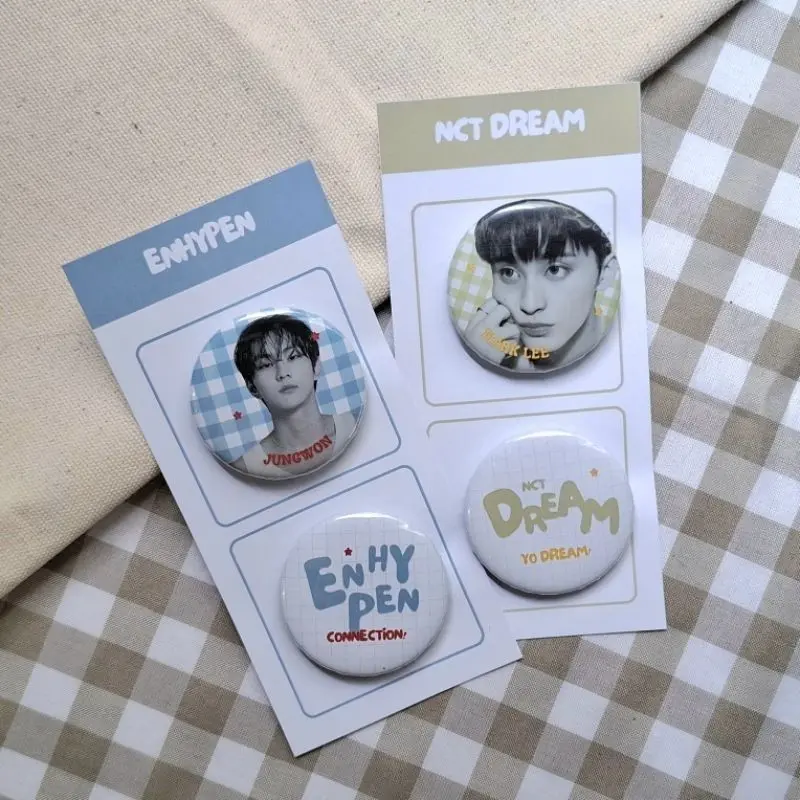
Custom badges and pins are an affordable way for businesses, creators, and event organizers to build recognition, mark achievements, or produce merchandise. The main decision is the format, printed or enamel, followed by material, size, and file preparation. This guide walks through each, from choosing materials to preparing your files for a clean production run.
Table of Contents
- Badge types and materials
- Design and file preparation
- Size and shape options
- The online ordering process
- Pricing and bulk discounts
- Quality control and common issues
- Where badges and pins work
- FAQs
Badge types and materials {#types}
The first choice is between printed badges and enamel pins, and it depends on your design and budget.
Printed badges offer full design freedom. They reproduce complex artwork, photographs, gradients, and unlimited colors with crisp detail, which makes printing well suited to intricate designs, temporary events, and promotional campaigns. The base is usually aluminum, brass, or zinc alloy, with a protective coating over the printed design that guards against scratches and fading.
Enamel pins are constructed rather than printed: color fills recessed metal areas, then the piece is polished to a smooth or textured finish. Enamel carries a metal weight and durability that suits premium and collectible pieces, at the cost of higher minimums and longer production. The base is typically brass or iron with a plating option such as gold, silver, black nickel, or copper. Soft enamel leaves a slightly raised, textured surface; hard enamel is polished flat. That choice affects both the look and the cost.
Design and file preparation {#file-prep}
Resolution and formats. Badge production needs high-resolution files, typically 300 DPI or higher. Vector formats such as AI, EPS, or PDF work best for clean lines and solid colors, while high-resolution PNG or JPEG handles photographic elements.
Scale. Your artwork ends up on a small object, so text has to stay readable and fine detail may need simplifying or enlarging. Most badges measure 1 to 3 inches across, so elements that look right on screen can disappear at actual size.
Color. RGB gives the widest color range for digital designs. Submit RGB and PopEcho converts with a calibrated profile, which keeps your screen color under control through to print. Bright, saturated colors usually reproduce well, while very light tints or very dark areas can lose detail in production. If you have specific brand colors, Pantone codes help with accuracy, though exact matches vary across materials and methods.
Size and shape options {#sizes}
Standard round badge sizes include 1", 1.25", 1.5", 2", 2.25", and 3" diameters. Many platforms offer custom shapes, though these can carry additional setup cost or higher minimums. Match size to use: smaller sizes work for lapel pins or identification, while larger badges suit promotional items and event merchandise.
The online ordering process {#ordering}
When comparing online badge platforms, weigh a few factors:
- Minimums. These vary widely. Some require 100 pieces or more; others accept single-item orders. For a small business or individual creator, no-minimum platforms give you the flexibility to test designs.
- Production time. Printed badges usually run 3 to 5 days; enamel pins run 2 to 3 weeks. Rush options exist at higher cost.
- Proofing. Look for platforms that provide mockups or proofs before production begins.
Many platforms include built-in design tools with template libraries, text editing, shape and icon libraries, image upload, and real-time preview. These handle simple designs well, while complex artwork still benefits from professional design software and file uploads.
Pricing and bulk discounts {#pricing}
Badge pricing follows a tiered structure, with per-unit cost dropping as quantity rises. A single custom badge might cost $8 to $15, while ordering 100 pieces can bring the per-unit price down to $2 to $4. Watch for additional costs: setup fees for new designs, rush charges, premium materials or finishes, custom packaging, and shipping.
Quality control and common issues {#quality}
Before production, review a digital proof or mockup for color accuracy, text readability, design positioning, size proportions, and any production notes. High-quality badge production delivers sharp printing without visible pixels or blur, accurate color, smooth edges, secure attachments, and consistency across the order.
A few issues recur, and knowing them helps you design around them:
- Bleed and safety margins: keep text and critical elements at least 2 to 3mm from the edge so nothing is cut off.
- Color shift: an uncontrolled RGB-to-print conversion can shift bright blues and purples, which is why submitting RGB to a calibrated process matters.
- Detail loss: fine lines or small text can drop out when they shrink, so simplify complex elements for a small format.
Where badges and pins work {#uses}
- Business and corporate: employee identification, trade show promotion, loyalty rewards, product launch merchandise, and corporate gifts.
- Creative and personal: portfolio pieces, fan merchandise, personal branding, interest-group identification, and collectibles.
- Events and organizations: attendee identification, speaker and volunteer recognition, fundraising merchandise, membership indicators, and milestone rewards.
For durability, match the badge to the use: a temporary promotional badge does not need the same build as long-term identification. Consider expected wear, indoor or outdoor use, and budget before ordering, and plan ahead so standard production times avoid rush fees.
FAQs {#faqs}
Printed badges or enamel pins, which should I choose?
Printed badges for detailed artwork, gradients, photographs, and low quantities. Enamel pins for bold, flat designs where a metal weight and finish suit the piece, accepting higher minimums and longer production.
What resolution and file format do I need?
300 DPI or higher. Vector formats (AI, EPS, PDF) work best for clean lines and solid colors; high-resolution PNG or JPEG handles photographic elements. Submit color in RGB.
What sizes are available?
Standard round sizes include 1", 1.25", 1.5", 2", 2.25", and 3". Custom shapes are widely available, sometimes with additional setup cost or higher minimums.
How much do custom badges cost?
Roughly $8 to $15 for a single badge, dropping to $2 to $4 per unit around 100 pieces. Setup fees, rush charges, premium finishes, packaging, and shipping can add to that.
How long does production take?
Printed badges usually take 3 to 5 days; enamel pins 2 to 3 weeks. Rush options are available at higher cost.
Why do my printed colors look different from my screen?
An uncontrolled color conversion shifts bright blues and purples most. Submit RGB so a calibrated process handles the conversion, and request a proof if exact color matters.
Ready to produce your first run? Design and order printed and acrylic badges with no minimums at popecho.art.