
Custom Stickers with No Minimum Order: Best Options for Artists and Small Businesses
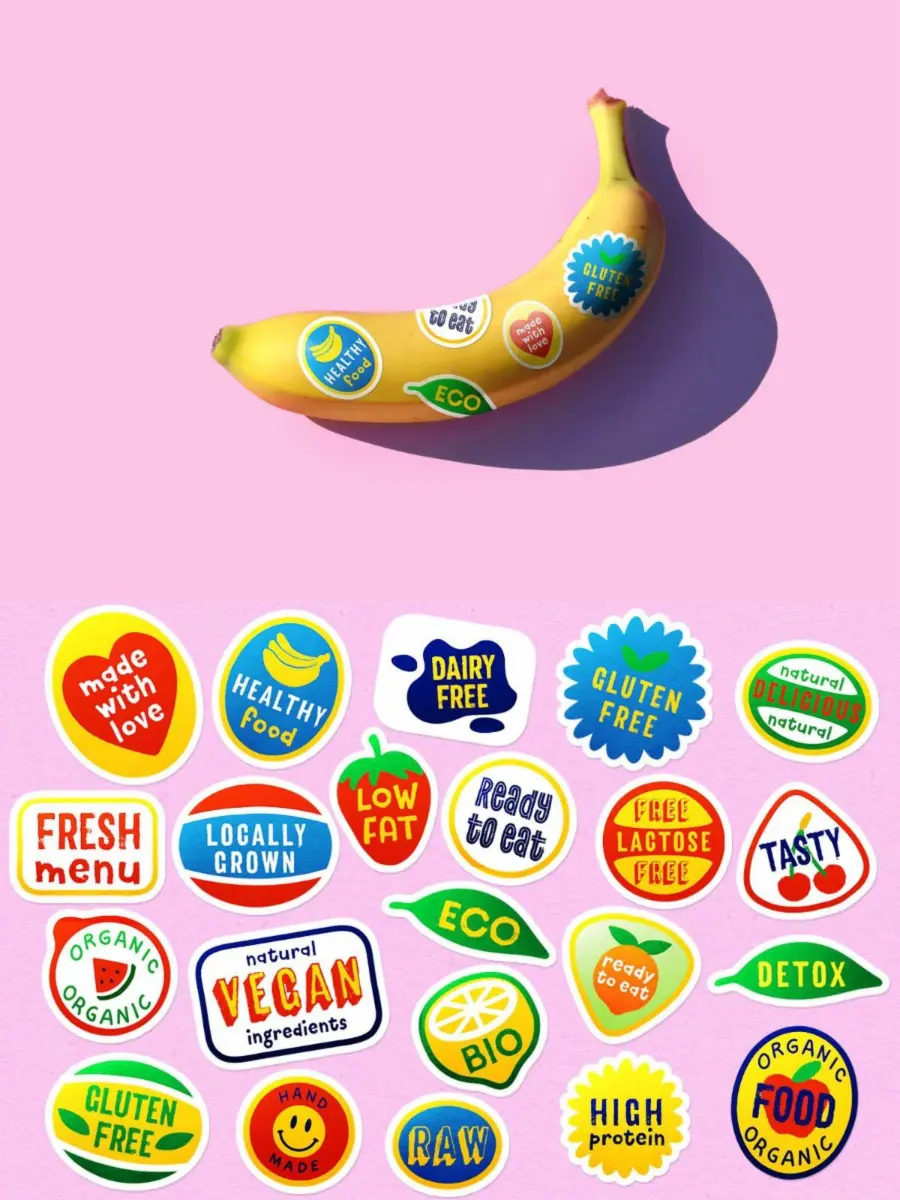
No-minimum sticker printing means you can order the exact count you need, from one piece up, without a mandatory bulk quantity. That matters because the traditional print trade was built around minimums of 100, 250, or 500, which forces you to bet on a full run before you know a design sells.
Table of Contents
- Why no-minimum sticker printing matters
- Sticker materials and finishes
- Platforms for no-minimum custom stickers
- How to prepare your files
- When does no-minimum ordering make sense?
- Does a small order mean lower quality?
- Scaling from small to large orders
- FAQs
Why no-minimum sticker printing matters {#why-no-minimum}
Small-batch ordering solves a specific problem. An artist can put a new design in front of customers without funding a full production run. A small business can run a local campaign and not end up with a box of leftover stickers. An event organizer can order the exact count they need and stop there.
Digital printing made short runs economical, but not every platform updates its model to match. When you compare no-minimum options, look past the ability to order one piece: pricing structure, material quality, turnaround, and design flexibility all matter. The lowest per-unit price isn't the best deal if it comes with restrictions on shape, material, or color.
Sticker materials and finishes {#materials}
The material sets durability, appearance, and cost, so it's worth knowing your options before you compare platforms.
Vinyl vs. paper. Vinyl is more durable and weather-resistant. It holds up outdoors, handles frequent contact, and resists moisture. It costs more than paper, but the finish looks sharper and lasts longer. Paper suits indoor use, short-term applications, or a tight budget where longevity isn't the priority. Vinyl generally wins on color reproduction and feel, which is why it's the safer choice for stickers that represent a brand out in the world.
Finishes. Gloss makes colors pop and suits bold or photographic designs. Matte cuts glare and reads as more restrained, which works for text-heavy designs. Specialty finishes such as holographic, metallic, or textured cost more and sometimes carry higher minimums, but they make a sticker stand out on a table.
Platforms for no-minimum custom stickers {#platforms}
| Platform | No-minimum ordering | Strengths | Where it gets expensive |
|---|---|---|---|
| PopEcho | Yes, single unit to bulk | RGB print files, free mockups, online design tool, same quality at any quantity | Per-unit cost is higher at 1 piece, as with any short run |
| Sticker Mule | $1 sample program | Reliable vinyl die-cut quality, fast turnaround | Standard pricing climbs quickly below the 10 to 50 piece range |
| StickerApp | Markets itself as no-minimum | Broad material and finish selection, unusual shapes | Single stickers run expensive; per-unit cost only competes at higher quantities |
PopEcho holds no-minimum ordering across its full sticker range, and the print quality and material options don't change with order size: a single sticker runs the same process as a bulk order. RGB print file support helps if you work in digital color, and free mockups show how the finished sticker looks before you order. Sticker Mule is a strong pick when turnaround and consistency matter more than the lowest minimum. StickerApp is worth checking when you need a specific material or an unusual shape.
How to prepare your files {#file-prep}
File prep matters more on small orders, because there's less room to absorb waste from an avoidable mistake.
- File formats. Most platforms accept PNG, JPG, PDF, and SVG. Vector formats (SVG, PDF, AI) produce cleaner results for text and graphic elements. Raster images should be at least 300 DPI at final print size.
- Color mode. Submit in RGB. PopEcho converts to CMYK with a calibrated profile, so RGB keeps your screen color under control through to print. Fluorescent and metallic colors sit outside what ink can reproduce, so if an exact color matters, order a single proof before a larger run.
- Bleed and safe area. Most platforms need 1 to 2mm of bleed beyond the intended edge. Keep important text and graphics at least 3mm inside the edge so cutting variation doesn't clip them.
- Die-cut lines. Confirm your design works with the intended cut shape, and check how the cut path affects fine details or thin elements before you approve.
When does no-minimum ordering make sense? {#cost}
Per-unit costs are higher with no-minimum printing, but the total spend is lower, which is the trade-off in several situations:
- Testing new designs. Finding a problem at 1 to 5 units is a minor setback. Finding it after 100 pieces is an expensive one. This matters most when you're selling merch and want to gauge response before building inventory.
- Limited campaigns. Small events and local promotions rarely need large quantities. Ordering the exact count removes waste, and the higher per-unit cost stops mattering when you aren't sitting on unsold stock.
- Prototyping and sampling. Physical samples for client sign-off, internal review, or a presentation are easy to get without justifying a full run.
Does a small order mean lower quality? {#quality}
Generally, no. Digital printing runs the same way whether the machine prints one piece or a thousand. Material quality stays constant: a vinyl sticker ordered on its own uses the same stock and process as one from a bulk run. Where order size can matter is inspection depth and packaging, not the sticker itself, and reputable platforms hold consistent standards across quantities.
Scaling from small to large orders {#scaling}
Starting with no-minimum orders doesn't lock you into small quantities. Most platforms offer volume pricing as you grow. PopEcho's bulk pricing lets you test designs at single pieces, then move to larger quantities at lower per-unit cost once you've confirmed demand. Track which designs perform well at small volumes, since that data makes a larger order easier to justify and reduces the risk of overproducing something that doesn't land.
FAQs {#faqs}
Can I order a single custom sticker?
Yes. No-minimum platforms like PopEcho let you order a single sticker, and it runs the same print process and materials as a bulk order. The per-unit price is higher at one piece, but your total spend stays low.
Vinyl or paper stickers, which should I choose?
Vinyl for durability, weather resistance, and color reproduction, especially for anything used outdoors or representing a brand. Paper for indoor, short-term, or budget-focused use.
What file format and resolution should I use?
Vector formats (SVG, PDF, AI) give the cleanest results, particularly for text. Raster files should be at least 300 DPI at final print size. Submit color in RGB and leave 1 to 2mm of bleed with a 3mm safe margin inside the edge.
Why do my printed sticker colors look different from my screen?
Fluorescent and metallic colors fall outside the printable ink range and shift most. Submit RGB so the conversion stays calibrated, and order a single proof first if an exact color is critical.
Does ordering one sticker cost more per unit than bulk?
Yes. Setup costs spread across fewer pieces, so per-unit cost is higher at low quantities and drops as volume grows. The benefit of a small order is lower total spend and no dead inventory.
Ready to start with full flexibility? See the sticker range and order exactly what you need, one sticker at a time, at popecho.art.