
Beyond Posters and Keychains: How Indie Creators in the US, Europe, and Korea Are Building Merch Lines in 2026
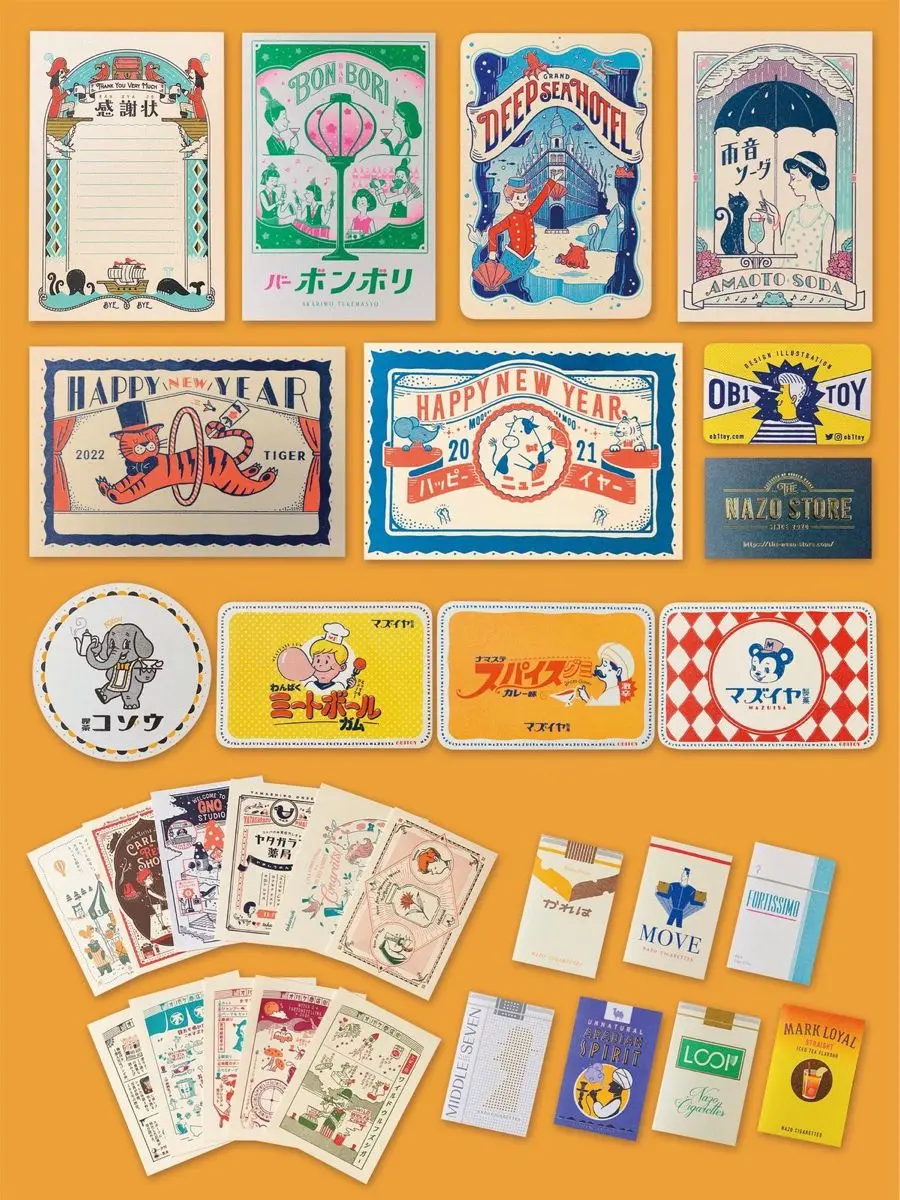
Most independent creators start the same way. You build an audience, fans ask where they can buy your work, so you print stickers and a poster or two. Then it stalls. The creators growing merch revenue in 2026 are doing something different: instead of selling one product at a time, they design a system where each release connects to the next and rewards fans for collecting. This guide breaks down three approaches that map to how the US, European, and Korean creator markets are moving, and how to start small on any of them.
Table of Contents
- Why product systems beat one-off items
- The US pattern: modular character systems
- The European pattern: narrative packaging
- The Korean pattern: blind-box collectibles
- How to start small and scale
- What is shaping merch in 2026
- FAQs
Why product systems beat one-off items {#why-systems}
A single sticker or print is a one-time sale. A product system creates repeat purchases from the same audience, because each item connects to others and gives fans a reason to come back. Three traits define the merch that performs well right now:
- It rewards collection. Series, variants, and expansion pieces turn one buyer into a repeat buyer.
- It offers an experience. Interaction, customization, or discovery gives a physical object an edge over an infinite scroll of digital art.
- It designs for the shelf. Items made to be displayed and photographed do their own marketing when fans share them.
The three regional patterns below are different expressions of the same idea. You do not need to be in that region to use the approach.
The US pattern: modular character systems {#us-modular}
In the US, character-driven artists are building modular systems: a base product plus interchangeable parts fans can mix and match. A typical build is a set of acrylic standees where each character has swappable outfit pieces, accessories, and expression plates, sold as a base figure with expansion packs.
Why it works. Instead of buying one static item, customers want to complete a set and try combinations. A base character around $25 to $30 with expansion packs around $10 to $15 gives a clear entry price and a reason to keep buying. Fans sharing their own configurations creates organic reach.
The production thinking. Modular acrylic depends on precise slots and tabs, so the pieces assemble cleanly. Start with technical drawings that show how parts connect, then prototype a single set to test the fit and the packaging before committing to a run. A base plus a few accessories can present dozens of combinations from a small number of printed parts, which keeps inventory risk low.
What to take from it. Pick one connection mechanism, whether slotted, layered, or magnetic, and design the whole system around that constraint. Test the physical interaction with one prototype first.
The European pattern: narrative packaging {#europe-packaging}
In Europe, a strong pattern is treating the packaging itself as the product. Rather than a bare figure, the item is a boxed set: a small soft vinyl figure, an art print, a short lore booklet, and physical elements that match the theme, designed so opening the box feels like uncovering a scene.
Why it works. It shifts merch from decoration to experience. A boxed set at a higher price point, for example around $40 to $50, can feel more valuable than a single figure at the same price, because the buyer is unpacking a moment, not just receiving an object. Sets designed as desk displays stay visible in a way a print in a drawer does not.
The production thinking. The complexity is coordination. A soft vinyl figure needs a mold and carries the longest lead time, so design the box around the final figure dimensions once those are locked. Source and pack the extra elements separately. Plan the timeline around the slowest component and order a conservative first run while you gauge demand.
What to take from it. Design the unboxing as part of the work, not just protection for it. Combining several small elements often reads as higher value than one costly piece.
The Korean pattern: blind-box collectibles {#korea-blindbox}
Korea's collectible culture, shaped by photocards and blind-box releases, supports merch that works like a small collectible line. A typical build is a series of small vinyl figures sold in blind boxes: a set of regular designs, a couple of rarer "secret" designs, and one rare variant, with published distribution ratios.
Why it works. Audiences already familiar with collectible mechanics respond to designed rarity. Offering both a blind box, for example around $18, and a guaranteed complete set at a higher price serves impulse buyers and completionists at once. A theme that gives each figure a use beyond collecting, such as representing a mood or character trait, deepens the pull.
The production thinking. Blind boxes need planning: a fixed number of designs across rarity tiers, calculated distribution ratios, and packaging that hides the contents while keeping consistent weight, usually managed with padding. Custom vinyl figures carry a minimum order, so this approach is a larger upfront commitment than modular acrylic. The trade-off is faster sell-through when the collectible format lands.
What to take from it. Only use collectible mechanics when your community already understands them. Keep rarity fair by offering a guaranteed path alongside random pulls.
How to start small and scale {#start-small}
The barrier to more ambitious merch is rarely production. It is the fear of minimums and upfront cost. A single-unit-first approach removes most of that risk.
Start with one unit. Single-unit ordering lets you order one plush, one acrylic standee, or one vinyl figure to check quality, assembly, and appeal before any bulk commitment. The per-unit price is higher, but you are paying for market research, not accepting the risk of 100 units of something untested.
Plan your scale points. Bulk pricing rewards volume, so map your growth to it:
- 1 to 50 units: prototype and test. Higher per-unit cost, minimal risk.
- 50 to 150 units: small-batch launch. Moderate pricing, good for early sales and feedback.
- 300+ units: bulk threshold. Meaningfully lower per-unit cost, suited to proven designs.
A common path is prototype one, launch with 50, then scale to 300 once demand is confirmed.
Build demand before production. Use the prototype for pre-orders. Post photos, explain the concept, and measure response before choosing a run size. Even a small run can carry limited-edition framing, which makes a modest quantity feel intentional.
What is shaping merch in 2026 {#landscape}
Three shifts explain why product systems are working now:
- Collectibles as recurring revenue. Series releases, seasonal collections, and expansion packs turn merch into repeat income rather than one-time sales. Design for how each release connects to the last.
- Experience over decoration. Interaction, customization, and discovery give physical products an edge that static prints have lost.
- Global influence, local fit. K-pop collectible culture now shapes expectations worldwide, but the execution has to fit your own audience. The psychology of collection travels; the specific format should match how your community already behaves.
None of the creators using these approaches started with a large team or manufacturing expertise. They focused on design and audience while working with a production partner that handles the technical side. PopEcho is a creator-focused platform that works with specialist printers, with single-unit prototyping, design adaptation support, and bulk pricing as you scale, so a modular system or a multi-part boxed set stays workable for one person.
FAQs {#faqs}
What merch can indie creators make besides posters and stickers?
Custom plushies, modular acrylic standees, blind-box vinyl figures, boxed sets with multiple components, and other display-first formats. The goal is to choose formats that add to your art's qualities rather than just reproducing it.
How do I make a custom plush from my artwork?
Start with a design that reads in 3D, since simple shapes translate better than fine detail. Prepare front and side reference views. A production partner handles the translation from 2D art to a plush pattern, including fabric choice and construction.
Can I order just one unit to test a design?
Yes. Single-unit ordering lets you prototype a plush, standee, or figure before any bulk order. The per-unit cost is higher, but it removes the risk of committing to a large run of an untested design, and the sample is useful for photos and audience feedback.
What is the minimum order for bulk pricing on custom merch?
Bulk pricing generally starts around 300 units. Many creators launch with 50 to 150 units at moderate pricing first, then scale once demand is proven.
How do blind boxes work for small creators?
Plan a fixed set of designs across rarity tiers, set your distribution ratios, and use packaging that hides contents while keeping consistent weight. The approach works best with an audience already used to collectible culture from gaming or K-pop.
Ready to move past stickers and posters? Start with a single prototype of your most experimental idea at popecho.art.