
Custom Merchandise Manufacturing in 2026: What Creators Need to Know
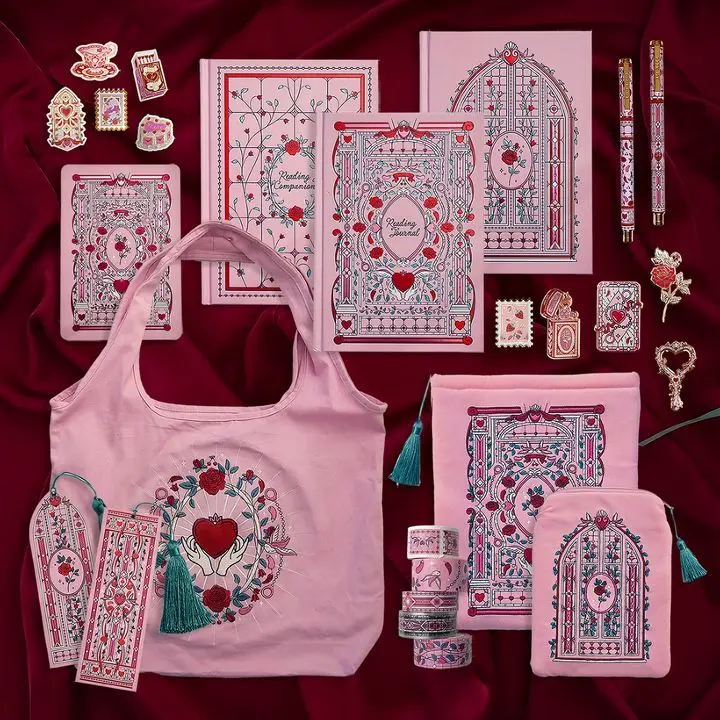
Custom merchandise manufacturing is more accessible than ever, but the options can feel overwhelming. Whether you sell at conventions, build an online store, or test ideas with your community, understanding how manufacturing works today helps you make better decisions. This guide covers the production approaches, the core product categories, the steps from artwork to finished product, and how to price and scale.
Table of Contents
- The state of custom merch manufacturing
- Your manufacturing options
- Product categories for creators
- From design to product
- Quality control and standards
- Pricing and order volumes
- Building a merch business
- Common pitfalls to avoid
- FAQs
The state of custom merch manufacturing {#state}
Manufacturing now serves creators at every level, from a first-time seller testing a single design to an established brand producing thousands of units. The biggest change is the rise of creator-focused platforms that sit between simple print-on-demand and complex factory sourcing, offering product development support, design adaptation, and flexible ordering.
A few trends shape 2026. Print-on-demand still dominates for basic items like t-shirts and posters, but creators increasingly want products that feel specific to their brand, which has grown demand for specialty items such as structured acrylic products, custom plushies, and packaging-based merch. Small-batch production has become more viable, letting creators test products without large upfront investment. Quality expectations have also risen: fans expect creator merchandise to feel professional, which puts pressure on choosing manufacturing partners who deliver consistent quality. Social media helps creators gauge interest before production, but it also brings new demands, since creators now have to manage product development, inventory, and customer service in a crowded market.
Your manufacturing options {#options}
The space offers four distinct approaches, each with different strengths.
Print-on-demand platforms. The easiest entry point: you upload designs, customers order, and the platform handles production and shipping. Popular options include Printful, Printify, and Gelato. Best for basic items like t-shirts, posters, and phone cases, and for creators who want zero inventory risk. The trade-offs are limited product variety, less control over quality, higher per-unit cost, and difficulty producing something that feels unique to your brand.
Creator merchandise manufacturers. Specialized manufacturers such as Vograce, Wooacry, and Zap Creatives focus on products popular with artists and fandom creators, typically badges, stickers, keychains, and acrylic items. Best for standard creator merchandise, and for creators comfortable handling specifications and ordering independently. The trade-offs are that they often require technical knowledge of manufacturing specs and offer less guidance on product development.
Product development platforms. A newer category provides guided product development alongside manufacturing, helping creators adapt artwork into manufacturable products and offering more involved categories such as plushies, collectibles, and custom packaging. Best for creators who want products that match their style but lack product development experience. The trade-offs are potentially higher cost than catalog ordering and longer development timelines for complex products.
Direct factory sourcing. Working directly with manufacturers offers maximum control and potentially lower cost at large volumes, but requires significant expertise and time. Best for established creators with consistent high-volume needs. The trade-offs are high minimum orders, complex communication, quality-control challenges, and significant upfront investment.
Product categories for creators {#categories}
Standard categories cover most merch lines:
- Prints and posters: the foundation of most creator lines, easy to produce and familiar to customers. Vary paper types and sizes for range.
- Stickers: affordable, high margin, and good for testing new designs. Vinyl for durability, paper for indoor use.
- Badges and pins: popular with convention-goers and collectors. Enamel carries a premium metal feel; button badges are more affordable.
- Keychains: functional items customers use regularly. Acrylic allows detailed artwork; metal feels more durable.
- Standees: growing in popularity, especially for character artwork, and acrylic works well for detailed illustrations.
Specialty categories command higher prices and stronger loyalty:
- Plushies: high-value items with strong emotional pull, requiring design adaptation but offering good margins.
- Structured acrylic products: display stands, bookends, and decorative pieces that show artwork in three dimensions.
- Collectibles: limited-edition items that create urgency, sometimes with special packaging or materials.
- Packaging-based merchandise: products where the packaging itself becomes part of the experience.
Start with one or two categories and expand based on customer response. Testing at different price points, mixing affordable items like stickers with higher-value products like prints or plushies, helps you serve different customer segments.
From design to product {#design-to-product}
Turning artwork into merchandise involves more than uploading files.
Design adaptation. Most artwork needs adaptation for physical production. Digital illustrations may need color adjustments for printing, character designs might need simplification for enamel pins, and complex scenes often work better as prints than small accessories. Consider how your art will look at different sizes, since details that work large can disappear on a small keychain.
File preparation. Different products need different file formats and specifications. Prints typically need high-resolution RGB files, while merchandise often needs vector formats. Learn the basics of file preparation, or work with manufacturers who provide adaptation support, since proper files prevent production delays.
Color. Colors often look different in physical products than on screen. Understand how your process handles color reproduction, since some processes have limited color ranges while others reproduce gradients well. Request color samples where possible, especially where color accuracy matters to your brand.
Timelines. Plan for longer timelines than you expect. Standard items might take 1 to 2 weeks, while specialty products can require 4 to 6 weeks or more. Build in buffer time, especially ahead of conventions or seasonal sales.
Quality control and standards {#quality}
Quality affects your brand reputation directly. Materials matter: paper quality affects print appearance, acrylic thickness affects how premium a product feels, and plush fabric influences both look and feel. Ask manufacturers about material options and request samples to weigh cost against quality.
Consistency across orders builds customer trust, so look for manufacturers with established quality-control processes and clear standards, and order samples before large orders, especially with a new partner. Packaging is part of this too: professional packaging makes even simple products feel considered, while poor packaging undermines expensive items. Factor packaging into your pricing.
Pricing and order volumes {#pricing}
Most manufacturers offer better per-unit pricing on larger orders, but larger orders require more upfront investment and increase inventory risk. Start with smaller orders to test demand, then scale up once you understand your market. When setting prices, factor in all costs: manufacturing, shipping, payment processing, packaging, and your time, plus returns and damaged items. Work backward from your target margin to viable order quantities, and note that higher-value items often allow better margins even at lower volumes. Track which products perform best and focus larger orders on proven sellers.
Building a merch business {#business}
A sustainable merch business runs on more than good products. It works when you have an engaged audience that wants to support your work, so focus on genuine connections rather than just promotion, and involve your audience in product decisions. Consider where your audience shops and how they discover products: convention sales suit some creator types, online stores suit others, and reliable fulfillment matters either way. On inventory, balance having enough to fulfill orders quickly against tying up money in unsold stock, tracking which items sell fastest and adjusting your ordering to seasonal patterns and event schedules. Customer service also differentiates a brand: respond quickly, handle problems professionally, and keep product descriptions and policies clear to prevent issues before they start.
Common pitfalls to avoid {#pitfalls}
- Overcomplicating your first products. Start simpler to learn the process, such as file preparation and quality expectations, before attempting complex specialty items.
- Ignoring shipping costs. Shipping affects both pricing and satisfaction, so factor product weight and dimensions in early, since a slightly more expensive manufacturing option can lower total cost once shipping is included.
- Underestimating time. Product development, order management, and fulfillment all take time, so plan realistically or budget for help as you grow.
- Poor quality control. Rushing untested products or manufacturers can damage your reputation. Invest in samples and checks, especially with new partners.
- Inadequate market research. Understand what your audience wants to buy, not just what you want to create, by surveying your community and paying attention to feedback.
These platforms continue to evolve toward more creator-friendly options. PopEcho is one example: a creator-focused platform that works with specialist printers and pairs design adaptation support with flexible ordering, so specialty products stay accessible to independent creators.
FAQs {#faqs}
What's the minimum order quantity for custom merchandise in 2026?
It varies by product and manufacturer. Print-on-demand has no minimums, while traditional manufacturers might require 50 to 500 pieces. Many creator-focused platforms now offer flexible minimums, some as low as 10 to 25 pieces for testing.
How long does custom merchandise manufacturing take?
It depends on complexity. Standard items like stickers or prints often take 1 to 2 weeks, while specialty products like plushies or complex acrylic can require 4 to 6 weeks. Always add shipping time and potential delays.
What file formats do I need?
Requirements vary by product. Prints typically need high-resolution RGB files at 300 DPI or higher. Vector products like stickers or badges often need AI, EPS, or PDF. Many manufacturers provide guidelines or offer adaptation services.
How do I price my merchandise competitively?
Calculate all costs, including manufacturing, shipping, payment processing, and your time, then add your target margin. Research similar products from other creators, and consider your audience's budget and the perceived value of your products.
What's the difference between print-on-demand and custom manufacturing?
Print-on-demand handles individual orders automatically with no upfront inventory, but offers limited product options and higher per-unit cost. Custom manufacturing requires ordering inventory in advance but provides more variety, better volume pricing, and greater quality control.
How do I handle quality issues with manufactured products?
Set clear expectations upfront and request samples before large orders. Document any issues with photos and communicate promptly. Reputable manufacturers will work to resolve problems and prevent future ones.
Ready to turn your artwork into custom merchandise? Explore guided product development options at popecho.art.