
How to Start a Custom Merch Business in 2026: A Complete Beginner's Guide
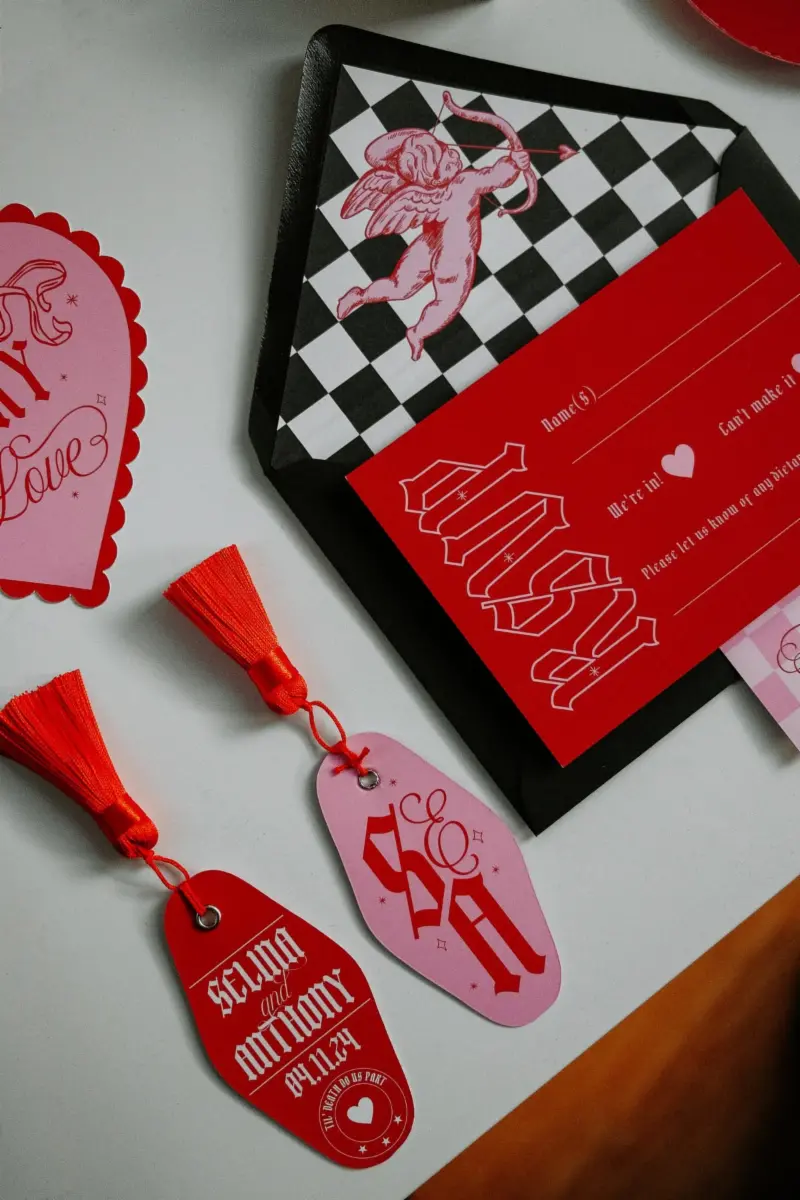
A custom merch business turns your artwork or brand into physical products fans buy, wear, and display. This guide walks the full path from first idea to a product line, so you can choose products, prepare designs, find a production partner, and scale without getting buried in manufacturing detail.
Table of Contents
- Why start a custom merch business in 2026?
- Step 1: Define your niche and audience
- Step 2: Develop your brand identity
- Step 3: Choose your product categories
- Step 4: Create and prepare your designs
- Step 5: Select your production partner
- Step 6: Set up your sales channels
- Step 7: Price your products for profit
- Step 8: Launch with small test runs
- Step 9: Market your merch business
- Step 10: Scale and expand
- Common mistakes to avoid
- FAQs
Why start a custom merch business in 2026? {#why-start}
The creator economy has matured, and audiences increasingly support creators through merchandise. Physical merch does a few things digital products can't: it builds a stronger fan connection because people wear and display it daily, it often carries better margins than ad revenue or sponsorships, it spans everything from simple stickers to plushies, and it scales from small test runs up as demand grows. The difference between a merch line that sells and one that doesn't is usually approaching it in order, rather than making products at random and hoping.
Step 1: Define your niche and audience {#step-1}
Before designing anything, identify who you're making for and what makes your work distinct. Look at your existing followers: their age ranges, interests, and spending patterns, and whether they're convention-goers, social communities, or a niche hobby. Note what similar creators offer and which items get engagement. Then define your angle, the style or subject that makes your work recognizable, since that's your advantage. A niche doesn't need to be large, but it should be passionate: a small, dedicated audience often outsells a large indifferent one.
Step 2: Develop your brand identity {#step-2}
A consistent brand makes your merch recognizable and supports higher pricing. Build a cohesive visual style, a set of colors, type, or illustration techniques that reads as yours across every product. Decide on a brand personality (playful, minimalist, dark) that matches your audience and stays consistent. Even simple products benefit from considered packaging, a branded mailer or thank-you card creates an unboxing moment worth sharing. Leave room for your style to evolve so you can grow without restarting.
Step 3: Choose your product categories {#step-3}
Start with items that match your audience and are straightforward to produce, then expand based on what sells.
Standard options:
- Stickers and decals: low-cost entry point with strong margins, good for testing designs and impulse or convention sales.
- Pins and badges: a collectible category with strong community appeal, including enamel-style pins in fandom and aesthetic communities.
- Prints and posters: show artwork in its purest form, suited to creators with strong illustration and dedicated fans.
- Keychains and charms: functional daily-carry items; acrylic charms are popular in anime and gaming circles.
- Standees and displays: for fans who want to display characters, popular for desks and photo setups.
Specialty categories command higher prices and stronger emotional connection but need more development:
- Plushies and soft goods: high-value with strong appeal, requiring adaptation from 2D art to a 3D form.
- Structured acrylic products: standees, displays, and decorative formats beyond flat printing.
- Collectibles and figures: a premium category that often needs sampling and iteration.
- Packaging-based merchandise: where the packaging is part of the product, common for gift sets.
Start with 2 to 3 categories rather than everything at once, and master those before expanding.
Step 4: Create and prepare your designs {#step-4}
Design prep decides whether an idea survives production. Each product type has its own file requirements, color limits, and size constraints, so check them before you finalize. Design for the medium: what works as digital art doesn't always translate, so consider how colors print, how small details read at real size, and how the product gets used. Submit color in RGB and let your production partner convert it with a calibrated profile, which keeps your screen color under control. Build scalable artwork that works across sizes so one concept becomes a product family, and keep organized files with clear naming as your line grows.
Step 5: Select your production partner {#step-5}
Your production partner affects quality, cost, and customer experience. Decide whether you need simple printing or also design-adaptation support, and whether you're comfortable managing technical detail or prefer a guided process. Check product range, since some partners handle only standard printing while others support specialty categories like plushies and collectibles. Compare pricing beyond per-unit cost (minimums, setup fees, bulk tiers, shipping), and request samples where possible. For creators who want to focus on design and marketing rather than production logistics, platforms like PopEcho provide guided product development alongside manufacturing, which sits between simple print-on-demand and complex factory sourcing.
Step 6: Set up your sales channels {#step-6}
Diversifying channels reduces risk. A direct online store (Shopify, Etsy, Big Cartel) gives the best margins and full control. Social commerce (Instagram Shopping, TikTok Shop) sells where your audience already engages. Conventions and pop-up markets give face-to-face sales and immediate feedback. Marketplaces (Amazon, Etsy) bring built-in traffic at higher fees. Wholesale and retail partnerships expand reach but need different pricing and packaging. Start with 1 to 2 channels and master them before adding more.
Step 7: Price your products for profit {#step-7}
Many creators underprice and make growth hard. Calculate true costs, including production, shipping, payment fees, packaging, and your design and marketing time. Research what comparable creators charge, and go well below market only for a specific reason. Let quality, unique design, and brand identity support premium pricing rather than competing on price alone. Offer several price points for different budgets. A common approach is to aim for 3 to 4 times production cost on standard items, leaving room for marketing, operations, and profit while staying competitive.
Step 8: Launch with small test runs {#step-8}
Testing with small quantities cuts risk and gives real market feedback. Launch your strongest designs and most confident categories first, and save experiments for later. Order small runs to test demand without tying up capital, since many partners support small-batch testing. Watch customer comments, returns, and support questions, and track which products sell fastest and which segments respond best. Use those results to refine designs, pricing, and offerings before you scale, and to learn the full flow from order to delivery before it affects a larger run.
Step 9: Market your merch business {#step-9}
Effective marketing connects products with interested customers without a large ad budget. Share behind-the-scenes content on your design and packaging to build anticipation. Encourage customers to post photos, since user-generated content is authentic social proof. Build an email list for launches and restocks, which tends to convert better than social alone. Engage in communities where your audience already gathers, providing value before promoting. Collaborate with other creators for cross-promotion, and show up at conventions or events your audience attends. Focus on the channels that fit your strengths rather than trying to be everywhere.
Step 10: Scale and expand {#step-10}
Scaling works best as a system, not random expansion. Analyze performance to find your best-sellers, highest-margin items, and most engaged segments, then double down on them. Expand successful lines with variations, seasonal versions, or complementary items. Streamline ordering and packaging and automate routine tasks as volume rises. Use higher quantities to earn better production pricing, and once core products are established, test specialty or higher-value items for your most dedicated customers. Build repeatable processes for design, orders, service, and inventory so growth doesn't outrun your operations.
Common mistakes to avoid {#mistakes}
- Overcomplicating the first launch. Too many products or overly complex items early. Start simple and add complexity gradually.
- Ignoring lead times. Custom merch can take weeks or months. Plan launches and restocks well ahead, especially for seasonal items.
- Underestimating packaging. Poor packaging creates bad first impressions and shipping damage. Invest in packaging that fits your product and brand.
- Neglecting customer service. Responsive service builds loyalty and word of mouth. Plan for questions, problems, and returns.
- Copying other creators. Researching competitors is fine; copying designs damages your reputation and can create legal issues.
- Pricing too low. Undervaluing your work makes a sustainable business hard. Price fairly for the value you provide.
- Skipping quality control. Review samples and production quality before approving large orders, since fixing issues after delivery is expensive.
FAQs {#faqs}
How much money do I need to start a custom merch business in 2026?
It varies with product choices. You can begin with $200 to $500 for small test runs of standard items like stickers and pins, or $1,000 to $3,000 for a broader launch including specialty products. The reliable path is starting small and reinvesting profits rather than funding everything upfront.
What's the difference between print-on-demand and custom merchandise development?
Print-on-demand prints products after a customer orders, usually standard blanks like t-shirts and tote bags with your design applied. Custom merchandise development creates unique products and often involves design adaptation, sampling, and production coordination. Custom development offers more product variety and better margins but asks for more involvement.
How long does it take to see profits?
Most creators see initial sales within 1 to 3 months of launching, while sustainable profit usually takes 6 to 12 months of consistent effort. It depends on audience size, product selection, marketing, and management. Build a strong foundation rather than expecting immediate large profits.
Do I need artistic skills to start?
They help but aren't required. You can collaborate with artists, license artwork, or focus on text-based designs and concepts. Some successful businesses lean more on spotting market opportunities and running operations than on original art, though some design sense or an artist partnership improves product quality.
What legal considerations should I know about?
Business registration, tax obligations, trademark and copyright compliance, and product liability are the main areas. If you use licensed characters or copyrighted material, secure proper permissions. Consider business and IP advice as you grow, especially if you plan to trademark your own designs or brand.
What should I do if products don't sell as expected?
Poor sales usually point to a mismatch between product and audience, a pricing issue, or a marketing gap rather than a broken concept. Analyze feedback, review pricing, and try a different product approach. Repositioning an existing product or adjusting the message can improve results without new inventory.
Whether you're starting with stickers and pins or developing specialty products like plushies and collectibles, the right approach and partner are what let you focus on the design and brand. Learn more about turning your artwork into custom merchandise at popecho.art.