
Beyond Posters and Keychains: How Indie Creators in the US, Europe, and Korea Are Building Merch Lines in 2026
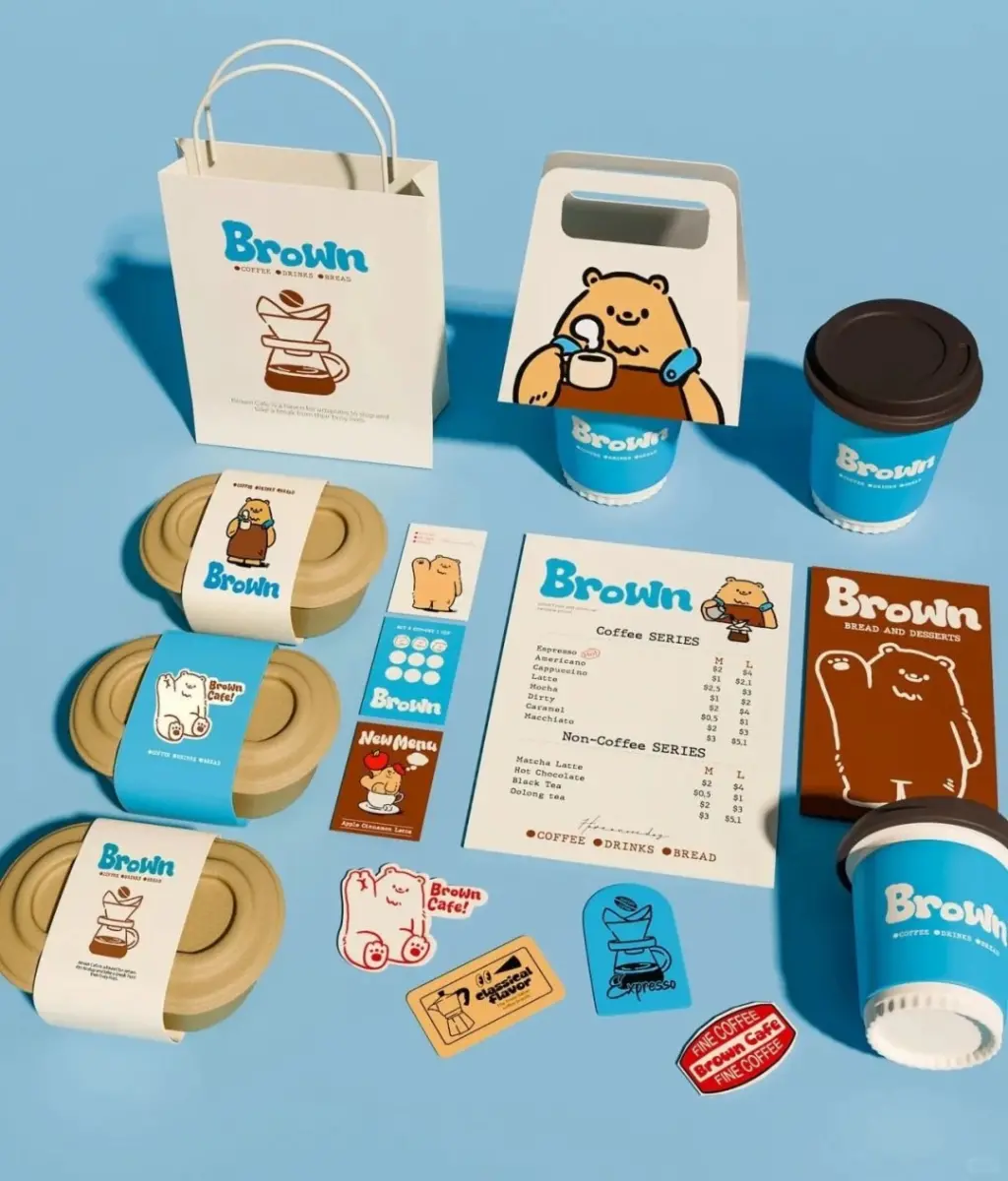
You've built an audience. Your art gets thousands of likes. Fans keep asking where they can buy your work. So you make some stickers, maybe a poster or two, and... that's it. You're stuck watching your merchandise potential slip away while wondering what else is even possible.
2026 has completely rewritten the merchandise playbook for independent creators. K-pop collectible culture has gone global, "limited edition" has become a real revenue strategy for micro-creators, and production platforms now make custom manufacturing accessible without needing a warehouse or business degree.
The creators thriving this year aren't just selling prints. They're building merchandise ecosystems that turn casual followers into collectors, one-time buyers into repeat customers, and digital art into physical experiences their audiences actually treasure.
Here's how three creators across different continents cracked this code.
Case Study 1: Maya's Modular Character System (Portland, US)
Maya Chen started 2026 with 8,000 Instagram followers and original characters that people loved but couldn't buy. Her breakthrough came when she stopped thinking about individual products and started designing a modular merchandise system.
What She Made
Maya created interchangeable acrylic standees where each character had multiple outfit pieces, accessories, and expression plates. Fans could mix and match components to create different character combinations. Her "Café Spirits" collection featured five base characters with 20+ swappable elements.
The standees used structured acrylic with precision-cut slots and tabs, packaged in collectible boxes with character lore cards. Each base character cost $28, with expansion packs at $12 for three new accessories.
Why It Worked
Maya tapped into the psychology of customization and collection. Instead of buying one static item, customers wanted to complete sets and try different combinations. Her audience engagement exploded as people shared photos of their unique character setups, creating organic marketing.
The modular approach also solved Maya's inventory problem. Rather than guessing which specific character designs would sell, she created a system where every component had multiple uses.
The Process
Maya started with detailed technical drawings showing how pieces would connect. She worked with PopEcho's design adaptation team to ensure the acrylic cutting would be precise enough for smooth assembly. The first prototype run was 50 units to test the mechanism and packaging.
After positive feedback, she scaled to 300 units to hit bulk pricing, bringing her per-unit cost down 40%. The structured acrylic production required coordination between cutting, printing, and packaging, but PopEcho handled the manufacturing logistics while Maya focused on design refinement and marketing.
What Other Creators Can Learn
Modular design multiplies perceived value. Instead of selling five separate character prints, Maya created a system where customers see 100+ possible combinations. The key is designing components that genuinely enhance each other rather than just adding complexity.
Start with a clear connection mechanism—whether it's magnetic, slotted, or layered—and build your entire system around that constraint. Test the physical interaction with a single prototype before committing to a full line.
Case Study 2: Lars's Narrative Packaging Experience (Stockholm, Europe)
Lars Andersson built his following around atmospheric digital paintings of Scandinavian folklore. His merchandise breakthrough came when he realized his audience wasn't just buying art—they were buying into the stories and mood his work created.
What He Made
Lars developed "Story Boxes"—limited edition packages where the packaging itself was the primary product. Each box contained a small soft vinyl figure (4-6cm), an art print, a lore booklet, and environmental elements like artificial moss, small stones, or dried flowers that matched the story theme.
His "Forest Whispers" series featured six different folklore creatures, each in a custom-designed box that opened like a diorama. The vinyl figures were designed to interact with the environmental elements, creating a miniature scene. Priced at $45 per box, with random creature distribution for the collectible factor.
Why It Worked
Lars transformed merchandise from decoration into experience. Customers weren't just buying a figure—they were buying a moment of discovery, a story to unpack, and a small piece of atmosphere they could keep on their desk.
The random distribution created genuine collectible excitement. His audience started trading duplicates and sharing unboxing videos, turning individual purchases into community events.
The Process
The biggest challenge was coordinating multiple production elements. The soft vinyl figures required custom molds, the boxes needed structural design for the diorama effect, and the environmental elements had to be sourced and packaged separately.
Lars worked with PopEcho to manage the production timeline, starting with the vinyl figures (longest lead time), then designing boxes around the final figure dimensions. He ordered 200 units initially, with plans to scale based on demand. The coordination between different materials and assembly requirements made this more complex than standard merchandise, but the higher price point justified the effort.
What Other Creators Can Learn
Packaging can be your primary product if you design it intentionally. Think about the unboxing experience as part of your art, not just protection for your art.
Combining multiple small elements often creates more perceived value than one expensive item. A $45 story box feels more valuable than a $45 figure alone, even if the production costs are similar.
Consider how your merchandise fits into your audience's daily environment. Lars's boxes work as desk displays in a way that traditional prints don't.
Case Study 3: Jin's Blind Box Ecosystem (Seoul, Korea)
Jin Park leveraged Korea's advanced collectible culture to build a merchandise line that functions more like a trading card game than traditional art sales. His approach shows how creators can adapt regional market sophistication to build sustainable merchandise revenue.
What He Made
Jin created "Emotion Spirits"—a series of 2.5-inch vinyl figures representing different emotional states through cute character designs. The twist: figures were sold in blind boxes with 12 regular designs, 2 secret designs, and 1 ultra-rare holographic variant per series.
Each series had 100 blind boxes, with guaranteed distribution ratios but random individual pulls. Regular figures appeared in 70% of boxes, secret designs in 25%, and the holographic variant in 5%. Priced at $18 per blind box, $180 for a guaranteed complete regular set.
Why It Worked
Jin understood that his audience was already familiar with collectible mechanics from K-pop photocards, gacha games, and established blind box culture. Rather than fighting this expectation, he designed his merchandise to reward collection behavior.
The emotional theme gave each figure genuine utility beyond collecting—people used them to express moods, gift specific emotions, or build personal collections around feelings they connected with.
The guaranteed complete set option satisfied completionist collectors while maintaining the excitement of individual pulls for casual buyers.
The Process
Blind box production requires precise planning. Jin had to design 15 total figures, calculate distribution ratios, and coordinate packaging that concealed contents while maintaining quality.
Working with PopEcho, he started with detailed specifications for vinyl production, including color matching for the holographic variant. The packaging required custom boxes with consistent weight regardless of contents—achieved through padding adjustments.
Jin ordered 500 total units across the distribution ratios: 350 regular, 125 secret, 25 holographic. The minimum order quantity for custom vinyl figures made this a significant upfront investment, but the collectible nature meant faster sellthrough than traditional merchandise.
What Other Creators Can Learn
Collectible mechanics work when your audience already understands them. Don't introduce blind boxes to an audience that expects straightforward purchases—but if your community has gaming or K-pop influences, they may embrace collection elements.
Rarity must feel fair. Jin's guaranteed complete set option prevented frustration while maintaining excitement. Consider offering both random and guaranteed purchase paths.
Emotional or functional themes make collectibles more than just art variations. Each figure in Jin's series serves a purpose beyond completing a set.
How to Start Small and Scale Smart
The biggest barrier stopping creators from innovative merchandise isn't production complexity—it's the fear of minimum orders and upfront costs. Here's how to approach experimental merchandise without risking your savings.
Start with One Unit
PopEcho's single-unit ordering lets you test concepts before committing to bulk production. Order one custom plush, one acrylic standee, or one vinyl figure to evaluate quality, assembly, and customer appeal. Use this prototype for photos, audience feedback, and refining your design.
Single units cost more per piece, but they eliminate the risk of ordering 100 units of something that doesn't work. Think of it as paying for market research rather than accepting higher unit costs.
Plan Your Scale Points
Understanding bulk pricing tiers helps you plan growth strategically:
- 1-50 units: Prototype and test phase. Higher per-unit cost but minimal risk.
- 50-150 units: Small batch launch. Moderate pricing, good for initial sales and feedback.
- 300+ units: Bulk pricing threshold. Significantly lower per-unit costs, suitable for established designs with proven demand.
Many successful creators follow a 1-50-300 progression: prototype one unit, launch with 50, then scale to 300 once demand is confirmed.
Build Demand Before Production
Use your prototype for pre-orders or interest gauges. Post photos of your single unit, explain the concept, and measure audience response. Pre-orders reduce financial risk and help you choose the right production quantity.
Consider limited edition messaging even for small runs. "Only making 50 of these" creates urgency and makes small quantities feel intentional rather than cautious.
The 2026 Merchandise Landscape
This year's merchandise trends reflect broader shifts in creator economy and consumer behavior. Understanding these patterns helps you position your products strategically.
Collectibles as Revenue Layers
Successful creators now treat merchandise as recurring revenue rather than one-time sales. Series-based releases, seasonal collections, and expansion packs create ongoing purchase opportunities from the same audience.
The key is designing merchandise systems rather than individual products. Think about how each release connects to previous items and creates anticipation for future ones.
Experience Over Decoration
Audiences increasingly value merchandise that offers interaction, customization, or discovery. Static prints compete with infinite digital alternatives, but physical experiences remain unique.
Consider how your merchandise engages multiple senses, tells stories, or enables creativity. The most successful 2026 merchandise creates moments rather than just displaying art.
Global Influence, Local Adaptation
K-pop collectible culture now influences merchandise expectations worldwide, but successful creators adapt these concepts to their specific audiences and contexts. Blind boxes work differently in Seoul than Stockholm, but the underlying psychology of collection and discovery translates across cultures.
Study what works in different regions, but implement concepts that fit your audience's existing behaviors and expectations.
Making It Accessible with PopEcho
The creators featured here didn't succeed because they had large teams or manufacturing expertise. They succeeded because they focused on design and audience connection while leveraging platforms that handle production complexity.
PopEcho's approach removes traditional barriers to innovative merchandise:
- Single-unit prototyping lets you test concepts without inventory risk
- Design adaptation support helps translate artwork into manufacturable products
- Production coordination manages complex items like modular systems and multi-component packages
- Bulk pricing at 300+ units makes scaling affordable once demand is proven
- Creator-friendly workflows designed for artists, not manufacturers
The platform handles technical requirements, quality control, and fulfillment logistics while you focus on what you do best: creating compelling designs and building audience connection.
Your Next Steps
Stop limiting yourself to stickers and posters. Your audience wants more, and 2026's production landscape makes "more" achievable.
Start by identifying what makes your art unique beyond visual appeal. Do your characters have distinct personalities? Does your work evoke specific moods? Can your designs tell stories or create experiences?
Then consider how physical merchandise could amplify these qualities. Modular systems for character-driven art. Story boxes for atmospheric work. Collectible series for emotional themes.
Order a single prototype of your most experimental idea. Test it. Share it. Learn from it. Then scale what works.
The creators building successful merchandise lines in 2026 aren't the ones with the biggest audiences or the most resources. They're the ones willing to experiment, iterate, and think beyond traditional product categories.
Ready to transform your artwork into merchandise that matters? Learn more at popecho.art and start building your prototype today.
Frequently Asked Questions
What merch can indie creators make besides posters and stickers?
Indie creators in 2026 are exploring custom plushies, modular acrylic standees, blind box collectibles, soft vinyl figures, story boxes with multiple components, articulated figures, and packaging-as-product experiences. The key is choosing formats that enhance your art's unique qualities rather than just displaying it.
How do I make a custom plush from my artwork?
Start with character designs that translate well to 3D form—simple shapes work better than complex details. Create front and side view references showing how the design should look as a plush. Platforms like PopEcho handle the technical translation from 2D art to 3D plush patterns, including fabric selection and construction details.
Can I order just 1 custom plush to test my design?
Yes, single-unit ordering lets you prototype custom plushies before committing to bulk production. While individual units cost more than bulk orders, this approach eliminates the risk of ordering large quantities of untested designs. Use your prototype for photos, audience feedback, and design refinement.
What's the minimum order for bulk pricing on custom merchandise?
Bulk pricing typically begins at 300+ units, offering significant per-unit cost savings compared to smaller quantities. However, many creators successfully launch with 50-150 unit runs at moderate pricing, then scale to bulk quantities once demand is confirmed.
How do blind boxes and collectible mechanics work for small creators?
Blind boxes require careful planning of rarity distribution and packaging that conceals contents. Start with 12-15 total designs across different rarity levels, plan your distribution ratios (typically 70% common, 25% rare, 5% ultra-rare), and ensure consistent packaging weight. This approach works best with audiences already familiar with collectible culture from gaming or K-pop.