
Why Custom Merch Can Lose Your Art Style (and How to Keep It)
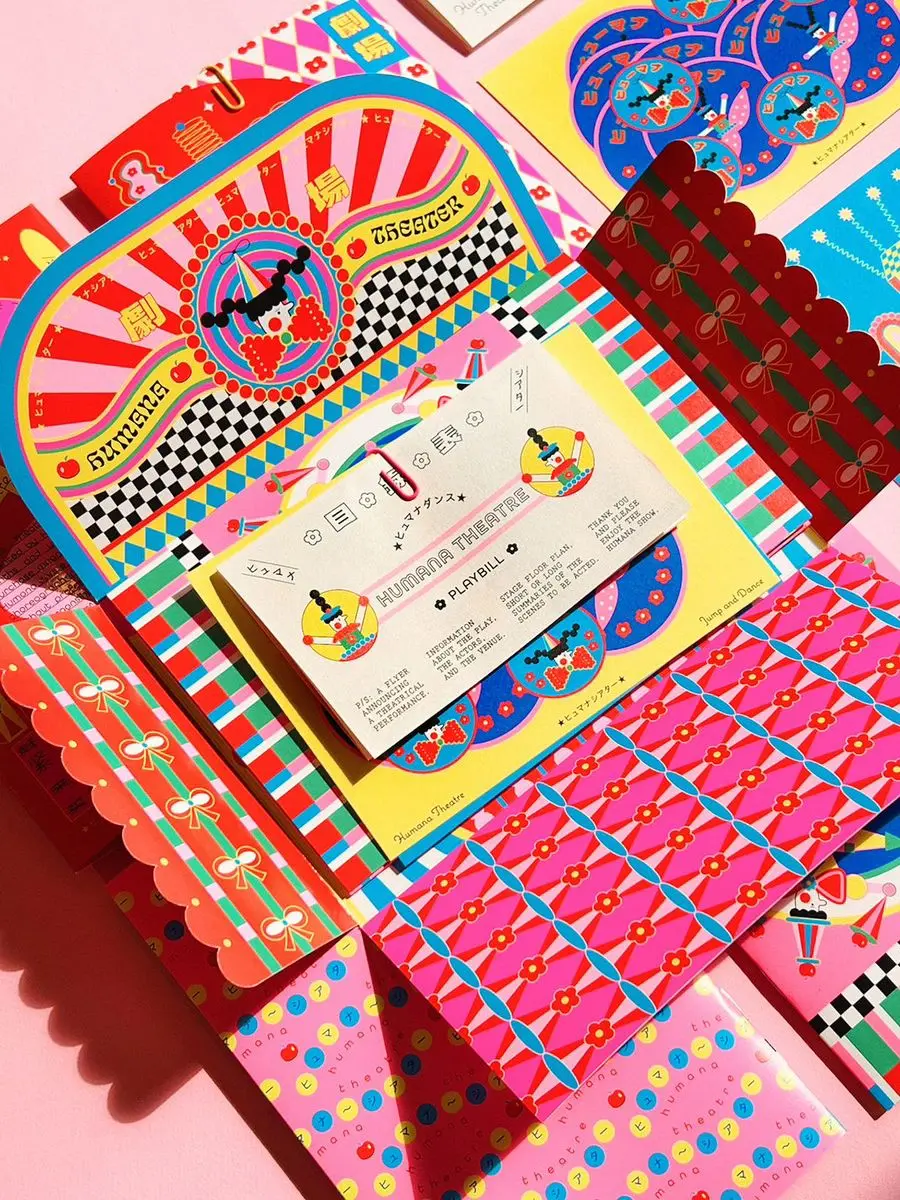
A custom merch product is only as good as how faithfully it reproduces your design. Most of the disappointment creators feel on a first order traces to the same place: the translation from a screen illustration to a physical object, where detail, color, and proportion all get tested at once.
Table of Contents
- Where an art style gets lost
- Why 2D art doesn't always survive 3D
- The MOQ reality for creators
- What sampling should look like
- Choosing a partner that protects your art
- FAQs
Where an art style gets lost {#where-lost}
You spend weeks on an original character: the linework, the color gradients, the details that make them yours. The files go out, and the sample comes back with the colors off, the expression flattened, and the one detail you cared about most simplified into something generic. The reproduction was "close enough" for the production line, but not close enough for the person who made it.
That gap is preventable, but only if you know where it opens up.
Why 2D art doesn't always survive 3D {#2d-to-3d}
Topology. Flowing hair with many fine strands looks right in a drawing, but a plush-cutting or acrylic-cutting process has to resolve it into a manufacturable outline. Without a plan for how those elements simplify, the result loses the shapes that defined the character. Deciding which details merge into the silhouette and which stay separate is a design decision, and it belongs to you, before the files go out.
Color. A pastel pink or a saturated galaxy purple mixed in RGB can shift when it prints, because ink covers a narrower range than a screen. The shift isn't inevitable: submitting RGB to a calibrated conversion keeps the mapping under control, and proofing your signature colors before a full run catches the ones that need adjusting. What causes the surprise is an uncontrolled automatic conversion tuned to a generic average rather than your design.
Physics. A 2D character can have proportions that only work on screen, a tiny waist under heavy sleeves, ribbons that float. In three dimensions, those either stiffen or sag. Adapting the design so it holds its shape as a physical object is part of the work, not an afterthought.
The MOQ reality for creators {#moq}
Creator-scale demand runs in dozens, sometimes hundreds, not thousands. A piece of fan art with 10,000 likes might convert to 50 keychain buyers, and that's a normal, healthy outcome for creator culture. Traditional minimum order quantities, often 500, 1,000, or 3,000 units, are built around mass production and don't fit that scale. The result is a mismatch: the run size that makes sense for a creator is smaller than a high-volume line is set up to handle. Small-run production exists precisely to close that gap, with bulk pricing that starts making sense around 25 units rather than several thousand.
What sampling should look like {#sampling}
Sampling is your safety net, not a months-long ordeal. With a partner suited to your work, one or two sample rounds is usual: the first confirms color and proportion, the second resolves anything left. If you're on a fourth sample and still not happy, the problem is usually the fit with that partner, not your art. Clear reference notes, specified signature colors, and a proof step before the full run keep the cycle short.
Choosing a partner that protects your art {#partner}
The cheapest quote rarely protects an art style. What does is a partner who reproduces faithfully at the scale you run. PopEcho works with specialist printers who handle small runs and understand that the small details, a translucent hair effect on an acrylic standee, a specific character color, are the point, not a rounding error. Bulk pricing starts at 25 units, not 2,500, so a design can exist as a quality physical product even when the run is small.
FAQs {#faqs}
How many samples should I expect before a design is right?
With a well-matched manufacturer, usually one to two. If you're on a fourth sample and still unhappy, the issue is typically the fit with that partner rather than your artwork.
What's the smallest order quantity that makes financial sense?
It depends on your goals, but creators succeed with runs as small as 25 to 50 units, especially for convention sales or limited releases. Small-run production and bulk pricing that starts around 25 units make that viable.
How do I know if my art will translate well to physical merch?
Ask whether the design leans heavily on digital effects, impossible proportions, or colors that mainly exist on screen. If it does, you'll want a partner who specializes in adaptation, and a proofing step before the full run.
Should I simplify my art style for manufacturing?
Not as a default. Look for a partner who can handle complexity rather than one that forces you to reduce your work. Where simplification is needed (fine topology on a cut product), make that decision yourself in the file rather than leaving it to the machine.
What's a red flag when choosing a manufacturer?
Being asked for your maximum budget before anyone discusses what you're trying to make. A good partner leads with questions about your design and your run size.
Why does understanding creator culture matter in a production partner?
A partner who understands why a specific color or detail matters to a character design will save you revision rounds. Faithful reproduction depends as much on that shared context as on the equipment.
See how small-run production keeps a design intact at popecho.art.