
Custom Plushies vs Acrylic Standees: Which Merchandise Works Better for Creators in 2026
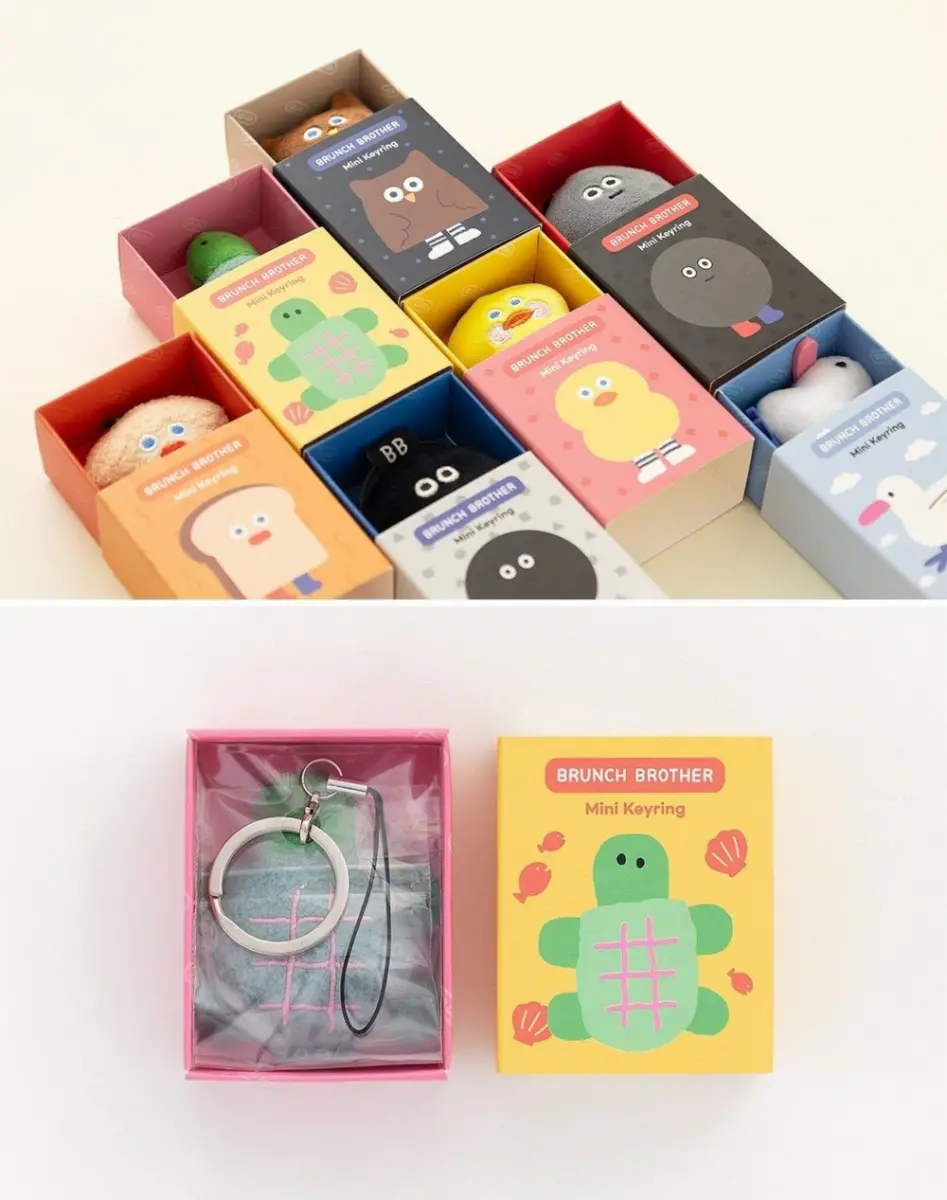
Custom plushies and acrylic standees are two routes into specialty merch, and they serve different situations. Plushies offer tactile appeal and emotional connection; standees offer visual impact and display value. Both need more involved production than a print or sticker, and both command higher prices. Your choice depends on your artwork, budget, audience, and goals, so this comparison works through each factor.
Table of Contents
- Custom plushies: production and cost
- Acrylic standees: production and cost
- Head-to-head comparison
- Timeline, storage, and shipping
- Making the right choice for your brand
- Getting started with specialty merch
- FAQs
Custom plushies: production and cost {#plushies}
Custom plushie manufacturing runs through several stages that affect timeline and budget. It starts with pattern development, where your 2D artwork is translated into a 3D form with proper proportions and construction details. That adaptation phase can add 1 to 2 weeks, and it matters most when you are working from flat illustrations, since a character has to be reimagined with depth and how it will sit or stand.
Material choice affects both cost and appeal. Standard polyester filling and minky fabric cover most designs, while premium options such as weighted filling or specialty textures increase production cost by 20 to 40%. Minimum order quantities usually start at 50 to 100 pieces for custom designs, with per-unit cost dropping at higher volumes. Sample production is almost always necessary: expect 1 to 2 prototype rounds to settle proportions, fabric, and construction, typically costing $100 to $300, which prevents more expensive mistakes in the full run.
Plushies work best with strong, recognizable character designs. Abstract artwork or text-heavy designs do not translate to the format, so your art needs characters, mascots, or creatures that fans want to hold and display. They also perform well as collectibles, where limited editions and series releases drive repeat purchases. The trade-off is bulk: plushies are expensive to ship, especially internationally, which can limit reach compared to flat merch. Custom plushies typically retail for $25 to $60 depending on size and complexity, and creators often see 40 to 60% profit margins on successful designs, with economics improving noticeably at runs of 200 or more.
Acrylic standees: production and cost {#standees}
Acrylic standee production is more straightforward than plushies but still needs design adaptation. Your artwork has to work within the structural limits of acrylic printing while holding visual impact at display size, so preparation focuses on color accuracy, resolution, and cut-line optimization. Acrylic reproduces vibrant color and sharp detail, though some gradients or color combinations may not reproduce exactly, which is where a physical proof helps.
Minimum order quantities for custom acrylic standees typically start at 25 to 50 pieces, which makes them more accessible for testing new designs, and production usually runs 2 to 3 weeks from approved artwork. Because the format is structured, results vary little between orders: once you approve a design, reorders are close to identical, which simplifies quality control.
Standees suit display-focused settings. Convention attendees use them for desk decoration, collectors value the durability, and customers often photograph their collections, which creates organic promotion. Unlike plushies, standees can showcase detailed artwork, landscapes, or complex compositions that do not translate to 3D. There is also a business market: cafes and shops use custom standees for promotional displays. Acrylic standees typically retail for $15 to $35, and profit margins often reach 50 to 70% due to streamlined production and predictable cost. Offering multiple sizes or design variations from the same artwork can raise average order value.
Head-to-head comparison {#comparison}
| Factor | Custom plushies | Acrylic standees |
|---|---|---|
| Minimum order | 50–100 pieces | 25–50 pieces |
| Sample costs | $100–300 | $50–150 |
| Production time | 4–6 weeks | 2–3 weeks |
| Retail price range | $25–60 | $15–35 |
| Typical profit margin | 40–60% | 50–70% |
| Shipping weight | High | Low |
Timeline, storage, and shipping {#logistics}
Plushies need longer development because of pattern creation, sampling, and revisions. Budget 6 to 8 weeks total from concept to finished inventory for a first-time design; repeat orders can drop to 4 to 5 weeks. Standees turn around faster, usually within 3 to 4 weeks from artwork approval to delivery, which allows more responsive inventory and seasonal planning.
Storage favors standees, which stack efficiently and resist environmental damage, while plushies consume warehouse space and need protection from dust and moisture. Shipping is the ongoing margin pressure for plushies, especially single-unit or international orders; standees ship affordably worldwide, which expands your reachable market.
Making the right choice for your brand {#choice}
Your artwork style is the first filter. Character-focused creators with recognizable mascots or creatures should consider plushies; artists working with detailed illustrations, landscapes, or complex compositions often do better with standees.
Budget affects both entry cost and operations: plushies need higher upfront investment but can generate higher per-unit profit, while standees offer lower entry cost and more flexible inventory. Audience matters too, since younger and character-focused communities often prefer plushies, while collectors and display-focused audiences gravitate toward standees. Survey your existing audience before committing. For convention sales, plushies create strong emotional connections but need more display space and higher transport cost, while standees are easier to transport and display though they may prompt less impulse buying.
Getting started with specialty merch {#getting-started}
Both formats benefit from product development support that adapts your artwork to manufacturing requirements while keeping the visual impact that drives sales. Start with market testing before large orders: pre-orders, limited releases, or convention exclusives let you gauge demand before scaling, which reduces risk while building anticipation. Track which designs perform, and focus larger orders on proven sellers.
For creators moving into custom plushies or acrylic standees, PopEcho provides design adaptation, sampling coordination, and flexible ordering that supports both testing and scaling. Explore the options at popecho.art.
FAQs {#faqs}
What's the profit margin difference between plushies and standees?
Acrylic standees typically offer higher margins (50 to 70%) than custom plushies (40 to 60%), due to more predictable production cost. Plushies command higher retail prices, so they can still generate more profit per unit sold.
How do minimum order quantities compare?
Custom plushies usually require 50 to 100 piece minimums due to setup cost. Acrylic standees often start at 25 to 50, which makes them more accessible for testing new designs.
Which ships more cost-effectively?
Acrylic standees, thanks to their flat profile and light weight. Plushies are bulky and expensive to ship, especially internationally.
How long does production take for each?
Standees typically complete in 2 to 3 weeks from approved artwork. Plushies require 4 to 6 weeks due to pattern development and sampling, and first-time designs may need extra time for revisions.
Do these products need different artwork preparation?
Yes. Plushies need 2D artwork adapted for 3D construction, accounting for proportions and seams. Standees need high-resolution files optimized for acrylic printing with proper cut lines and color specs.
Can I test demand before committing to large orders?
Yes. Both support testing through pre-orders, limited convention releases, or small initial runs, which validates demand before scaling and reduces financial risk.
Deciding between the two? Explore custom plushies and acrylic standees at popecho.art.