
Barricade Bait: How to Make Stage-Ready Plushies That Catch Your Bias's Eye
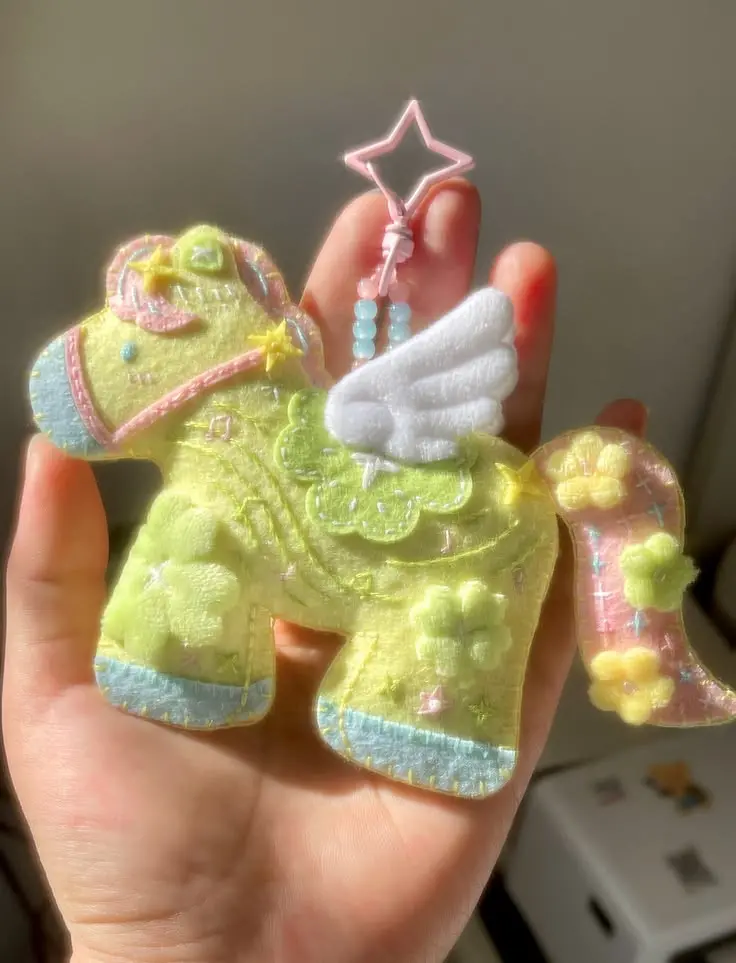
"Barricade bait" is a plushie built to read as a specific face at distance, under stage lighting, so an idol notices it during those few seconds their attention reaches the barricade. Most fan-made plushies fail that test on construction rather than art: the build was never planned for distance. This guide covers the engineering that makes a plush read from the stage.
Table of Contents
- What "barricade bait" means
- Why a flat face disappears at 10 meters
- Why fabric grade matters under stage lighting
- The 50-unit window for tour-specific drops
- What "the grab" requires
- The pre-production checklist
- FAQs
What "barricade bait" means {#what-it-means}
You're at the barricade. The idol is about 10 meters away, maybe 8 if you're lucky, and you have roughly 4 seconds of their attention before the choreography pulls them back to center stage. The plushie has to do the work in those 4 seconds. Being the loudest person in the crowd doesn't do it. A physical object that registers as a face, specifically their face, from a distance, under moving stage lights, surrounded by 15,000 other people, does. That's a design and manufacturing problem you can engineer.
Why a flat face disappears at 10 meters {#flat-face}
Hand a 2D chibi illustration to a factory with no topology brief and you get a face that's essentially a printed panel stretched over a round form. The eyes, nose, and mouth exist only as ink on fabric. At arm's length it reads fine; at 10 meters, under directional stage wash, it becomes a blob.
Stage visibility depends on relief. The eyes need to protrude, the cheeks need volume that catches side-light, and even a small button nose needs to sit at least 8 to 12mm forward from the face plane on a 10 to 15cm plushie. That's topology: the internal structure of seams and stuffing distribution is what gives the plushie a readable face instead of a flat disc with printed features. The useful question at the brief stage is where the light needs to catch, forehead dome, cheek curve, brow ridge, because those are visibility decisions, not decorative ones.
Why fabric grade matters under stage lighting {#fabric}
Standard plush, what a factory defaults to when you don't specify, is typically 20D or lower. It photographs well in daylight, but under the high-intensity LED rigs used on arena tours it washes out: colors flatten, saturation collapses, and from the stage the idol sees a pale, indistinct shape.
50D minky has a tighter pile and holds color far better under directional light, because the dye sits differently in the fiber structure. Reds stay red, and skin tones hold warmth instead of going chalky. If your bias has a signature color, and most do, 50D is the difference between that color reading correctly from the stage and disappearing into the crowd. It also has a density that reads as premium at distance and holds its shape better during waving. Specify 50D minky by grade in your brief, not "soft fabric" or "good quality plush."
The 50-unit window for tour-specific drops {#moq-50}
Most custom plushie manufacturers start their minimums at 100 to 200 units. For a fansite running a single-tour drop, that's a serious commitment, especially when the design is tour-specific and has a shelf life of about 8 weeks. A minimum of 50 changes the math: a fansite admin can run a pre-order, cover production costs, and still have enough for the barricade crew without sitting on leftover inventory once the tour leg wraps.
Tour-specific drops also read as organized fandom. A plushie clearly tied to this tour, the right costume and era styling, lands differently than a generic character plushie. And 50 units is small enough to run a proper sampling round first: get one sample, check the topology, check the fabric under strong directional light, then produce.
What "the grab" requires {#the-grab}
"The grab," the moment an idol picks up or holds a fan-made item during a concert, happens, and it isn't random. Items that get grabbed tend to be visually distinct, clearly custom rather than store-bought, and readable as a face, usually the idol's own character or a recognizable OC from the fandom. You're investing real money and production time in an object that has to perform in a specific context: a plushie that doesn't read from the stage is a sunk cost, while one that gets held up or kept is the return.
The variables you control are topology, fabric grade, size (10 to 15cm is the sweet spot, small enough to hold one-handed, large enough to read as a face), and design specificity. The variables you don't control are the idol's attention, the setlist, and the crowd. Engineer the ones you own.
The pre-production checklist {#checklist}
Before you send a brief to any manufacturer, run through this.
Topology
- Is the face relief specified in millimeters, not just described as "3D"?
- Are the eyes embroidered or printed? (Embroidery adds relief; printing doesn't.)
- Is cheek volume called out separately from the head dome?
- Does the brief include a side-profile reference, not just a front-facing illustration?
Fabric
- Is 50D minky specified by grade, not just "minky fabric"?
- Are colorways provided as Pantone or dye-spec references matched to the fabric?
- Is there a note on pile direction and how it affects color under directional light?
Production
- Is the sample review stage written into the timeline before full-run approval?
- Is the minimum confirmed at 50 units or lower?
- Are bleed lines on any printed elements, tags, backing cards, set at a minimum of 3mm?
Stage readiness
- Is the size between 10 and 15cm?
- Can it be held one-handed without the hand covering the face?
- Does it have a loop or attachment point for waving without dropping it?
That last one matters more than anyone admits: plenty of plushies get dropped at barricades.
FAQs {#faqs}
What size plushie works best for concert fan support?
10 to 15cm is the practical range: large enough that the face reads from 8 to 10 meters away, small enough to hold one-handed and wave without fatigue through a two-hour set.
Why does fabric grade matter for stage visibility?
Standard 20D plush washes out under high-intensity LED stage lighting. 50D minky holds color saturation and shape under directional light, so your plushie's colors stay accurate when it counts.
What is topology in plushie manufacturing?
Topology is the seam structure and stuffing distribution that gives a plushie its three-dimensional form. Without intentional topology, a face reads as flat from a distance. Proper topology creates relief, protruding eyes, rounded cheeks, a defined brow, that registers as a face under stage lighting.
What minimum order should I target for a tour-specific fansite drop?
50 units is the practical floor. It covers a barricade crew, supports a pre-order model to offset costs, and doesn't leave excess inventory after the tour leg ends.
What is 3D translation in plushie production?
3D translation is converting a 2D illustration into a manufacturable 3D form, including topology decisions about where seams go, how stuffing is distributed, and which features are embroidered versus printed. PopEcho's 3D translation service handles this step between your flat artwork and the production brief.
Can I get a sample before committing to a full run?
Yes, and you should insist on it. A sample round lets you check topology under strong directional light, confirm fabric grade, and catch color drift before the full run is locked.
What makes a plushie more likely to get "the grab"?
Visual distinctiveness, clear character recognition (especially the idol's own face or a recognizable fandom OC), and a size that allows easy one-handed holding. Items that read as custom and tour-specific tend to register differently from the stage than generic merchandise.
The barricade isn't a passive place, and a plushie that disappears under stage lights is a missed window that cost real money and planning time. Get the topology right, specify the fabric, use the 50-unit window for a tight tour-specific drop, and always check a sample under strong light before you commit. Learn more at popecho.art.